Understanding Urine Spots in Lawns: Causes and Solutions


Intro
Maintaining a flourishing lawn often feels like a never-ending battle. One of the more vexing challenges that homeowners face is the appearance of urine spots. Whether caused by pets or people, these unsightly splotches can dampen the spirit of any landscape lover. Understanding the sources of these discolorations, their impact on grass health, and practical solutions becomes essential for anyone serious about lawn care.
Urine spots differ not only in the source but also in their effects on grass. The nitrogen-rich compounds present in urine can cause trees and plants to flourish, yet, when it comes to lawns, the story changes. Pet urine, for instance—particularly from dogs—contains high levels of nitrogen along with other elements that can create a scorch on the turf. On the contrary, human urine tends to have a diluted effect due to a greater proportion of water, resulting in less immediate harm.
It's crucial to delve deeper into what exactly happens when such fluids come into contact with grass. Knowledge of these dynamics aids in creating effective remedies. Furthermore, culture, environmental factors, and site-specific conditions play significant roles in how various species of grass respond to urine exposure. Thus, gaining an in-depth understanding of these elements is key to restoring and maintaining the desired lush landscape.
Current Trends in Agriculture and Horticulture
As the world embraces sustainable practices, the field of agriculture and horticulture has witnessed noteworthy innovations, particularly regarding managing common issues like urine spots.
Overview of Recent Innovations
One standout trend is the focus on bio-mimicry in landscape design. By observing natural ecosystems, experts create grass types that are more tolerant to nitrogen overload, significantly reducing the impact of urine spots. These new grass varieties are bred for resilience. They adapt better to stress, making them less prone to damage caused by excessive nitrogen.
Sustainable Practices Gaining Popularity
In recent years, sustainable lawn care practices have taken root. Techniques such as using organic fertilizer and enhancing soil health are becoming more popular. Organic fertilizers offer a gentler approach, supplying nutrients without the risk of burning plants.
- Compost Addition: By integrating compost into the soil, homeowners improve its structure, which helps enhance nutrient retention and reduce damage from pet urine.
- Diversity of Species: Planting a mix of grass types that each have distinct vulnerabilities and resistances to urine can also create a buffer against damage.
This proactive approach not only helps prevent urine spots but also contributes to overall lawn health and biodiversity.
"To maintain a vibrant lawn, it’s essential to recognize the symbiotic relationship between soil health and plant resilience."
Such efforts not only fend off the unsightly yellow spots but cultivate an environment where grass thrives. This knowledge is key for any lawn caretaker invested in both maintaining a pristine lawn and promoting environmentally friendly practices.
Understanding the Science Behind Urine Impact
To properly remedy urine spots, one must first understand the science behind their formation. The condition occurs when the grass is excessively exposed to nitrogen, a key component of urine. In small doses, nitrogen helps grass grow. However, a sudden influx from pet or human waste can lead to marked scorch patterns. Understanding this physiological response opens pathways for thoughtful solutions.
Prolusion to Lawn Health
Lawn health serves as a cornerstone for any verdant landscape, impacting aesthetics, functionality, and even environment. A thriving lawn is more than just a patch of green; it provides beauty, potential recreational space, and benefits for local ecosystems. Healthy lawns can trap carbon dioxide, improve air quality, and mitigate erosion. They also play a significant role in boosting property values.
In this article, understanding the nuances of lawn health becomes paramount, especially when discussing issues like urine spots. As vital as it is to recognize the general health indicators of grass, one must delve into specific elements that pose challenges. The focus on urine spots, particularly, reveals a complex interplay between common lawn problems and environmental factors.
The Importance of Lawn Aesthetics
Visual appeal resonates deeply in lawn care, linking emotional well-being to well-kept green spaces. A lush, even lawn doesn't just kick it up a notch for curb appeal; it also fosters a sense of pride among homeowners. From barbecues to garden parties, guests are drawn to well-maintained lawns. A neat, vibrant lawn can elevate social gatherings and enhance interactions.
However, when it's marred with urine spots, the aesthetic quality suffers, prompting immediate gardening concern. Understanding how these spots disrupt holistic lawn beauty leads to exploring variety in grasses, waters methodologies, and the meticulous care needed to keep that green carpet pristine. In short, achieving lawn aesthetics is not merely a matter of occasional mowing or watering. It requires ongoing attention to detail.
Common Lawn Issues
A thriving lawn is often interrupted by a whole specter of issues—disease, pests, and, notably, urine spots. Each factor can shadow the overall appearance and health of lawn care efforts.
Here are some common culprits:
- Pests: Insects can wreak havoc on grass, causing yellowing or wilting. Their impacts are often silent but can lead to significant damage.
- Diseases: Fungal infections are common, wreaking havoc when conditions are damp. Identifying these diseases early can save extensive repair work.
- Nutrient Deficiency: Sometimes, it’s just a question of nutrients. A soil test can give insights into what grass may lack.
- Urine Spots: These can be particularly detrimental, as they signify a deeper issue with both urine pH levels and grass type.
Being aware of these issues sets the stage for addressing more intense problems, such as those caused by urine. Hence, the overall theme of lawn health becomes a comprehensive dialogue, rich with layers of understanding.
Understanding Urine Spots
When it comes to the health of lawns, understanding urine spots can play a crucial role. These unsightly patches not only detract from the aesthetic value of our outdoor spaces but also serve as indicators of underlying issues in lawn management and animal care practices. By diving into the causes and effects of these urine spots, we gain insights that can lead to effective solutions. It’s vital for lawn caretakers, be they homeowners or professionals, to grasp the implications of urine on grass health.
What Are Urine Spots?
Urine spots are the discolored patches that often appear on lawns where pets, particularly dogs, relieve themselves. These spots usually manifest as yellow or brown areas that stand in stark contrast to the surrounding grass. The reason for this discoloration lies in the concentration of nitrogen found in urine. While nitrogen is an essential nutrient for grass, an excessive amount, especially in concentrated areas, can lead to damage.
When dogs urinate, the nitrogen in their urine can burn the grass, especially if the grass is already stressed due to poor soil conditions or inadequate watering. It’s akin to over-fertilizing; just as excess fertilizer can harm plants, so too can concentrated urine. Different grass types may react differently to urine exposure; some may withstand it better than others, and understanding these behaviors can guide lawn care strategies.
Physiological Impact of Urine on Grass
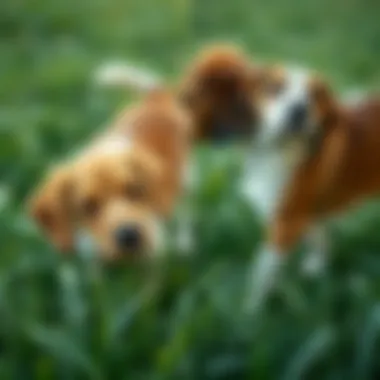
The primary physiological impact of urine on grass revolves around its chemical composition, specifically nitrogen and salts. While these elements are necessary for growth, the amount present in urine can create an imbalance. When grass absorbs too much nitrogen at once, it may experience a growth spurt initially, leading to lush greenery. However, this rapid growth is often followed by stress, resulting in yellowing and dying patches.
Consider this:
- What happens to grass when it receives high nitrogen? The grass grows thick and lush, but it can’t sustain this growth. Eventually, the grass roots may struggle to absorb water and nutrients effectively.
- How do salts in urine affect grass? The salts can dehydrate the grass cells. Over time, if the grass cannot cope with this stress, it might die off entirely, contributing to the formation of those frustrating brown spots.
Overall, the physiological effects span more than just immediate discoloration; they can lead to long-term implications for lawn health if not addressed. Protecting grass from urine spots means understanding these underlying dynamics and taking steps to mitigate their negative effects.
Differentiating Between Dog and Human Urine
Understanding the differences between dog and human urine is crucial for lawn caretakers. Each type of urine has distinct chemical properties that influence how they affect grass. By recognizing these differences, homeowners can tailor their lawn care strategies accordingly. This section delves into the unique compositions of dog and human urine, highlighting their respective effects on lawn health.
Composition of Dog Urine
Dog urine contains higher levels of nitrogen compared to human urine. This is due to the dog's protein-rich diet. The nitrogen in dog urine is often accompanied by urea and ammonia, both of which can harm grass when present in excess.
- Nitrogen Levels: Elevated nitrogen concentrations can lead to rapid grass growth in small areas, often resulting in lush, green spots. However, this can be damaging in the long run.
- Urea's Role: Urea, when broken down by soil microbes, ultimately turns into ammonia, which can burn grass if concentrated.
- pH Balancing: Dog urine tends to be more acidic, which can disrupt the natural pH balance of the soil, leading to issues like nutrient lockout.
Understanding these elements is vital for diagnosing urine spot issues and developing remediation strategies that suit the specific needs of your lawn.
Composition of Human Urine
Human urine is quite different in both composition and its impacts on lawn health. While it also contains nitrogen, it typically contains less than dog urine, given the more varied and often less protein-heavy human diet.
- Lower Nitrogen Concentration: This can mean less aggressive grass growth in affected spots. Over time, this may lead to yellowing rather than the browning seen in dog urine sections.
- Presence of Uric Acid: Human urine is richer in uric acid compared to dog urine. While this component is less harmful to grass directly, uric acid can crystallize in dry conditions, affecting the soil.
- Nutrient Profile: The overall nutrient profile of human urine is somewhat more balanced, potentially providing necessary nutrients to lawns without overwhelming them.
These aspects influence how human urine will affect lawn health, making it essential for property owners to consider the source of urine spots when encountering issues.
Comparative Effects on Lawn Health
Both types of urine can lead to visibly damaged patches in a lawn, but their impacts manifest in different ways. Recognizing these differences can guide effective remediation:
- Dog Urine: Often results in distinct brown patches, sometimes referred to as "dog spots." The grass may become lush around the affected area but ultimately dies off.
- Human Urine: Tends to cause yellowing of the grass, creating more widespread discoloration without the sharp delineation typical of dog urine.
By understanding these distinctions, homeowners can devise specific treatments to restore their lawns and prevent further damage, such as switching watering patterns or modifying soil acidity.
"The presence of urine spots can be a yard’s cry for help, revealing the underlying chemical imbalances affecting grass health."
Differentiating between dog and human urine isn’t just about identifying blame; it’s about fostering a richer, healthier lawn environment through informed care. For more detailed guides on lawn care, consider checking resources such as Wikipedia or the University of Florida's IFAS Extension.
Factors Influencing Urine Spots
When it comes to understanding urine spots, several factors influence how these unsightly patches develop and manifest in lawns. While it might seem straightforward, the interplay between the grass type, soil conditions, and moisture levels creates a complex environment. Each element contributes uniquely to the lawn's health, and recognizing these influences can make all the difference in its care. Moreover, identifying and addressing these factors may be the key to not only fixing existing damage but also preventing future problems.
Grass Type Variability
Different grass species react distinctively to urine exposure, which can directly affect the extent of damage and recovery time. Some grasses, like Kentucky Bluegrass, may be more resilient, while others may struggle under the same conditions.
- Cool-season grasses, such as fescues and bluegrasses, typically thrive in moderate temperatures. They may respond variably to urine due to their growth cycles.
- Warm-season grasses, like zoysia and Bermuda, generally have a different composition, making them somewhat less susceptible to urine burn but not immune.
- Additionally, some grass varieties possess built-in resilience against nitrogen, which is a crucial component of both human and dog urine.
When selecting grass types for your lawn, consider not only the aesthetic appeal but also the functional attributes that align with your lawn's specific environment and exposure to urine. This understanding can help in choosing the best grass for your particular situation, thus minimizing potential urine spot damage.
Soil Conditions
The soil is essentially the backbone of lawn health, and its condition plays a pivotal role in how urine affects grass. Two major factors in this context are soil compaction and nutrient levels.
- Compacted soil restricts root growth and reduces the lawn's ability to recover from stressors like urine. When soil is densely packed, it can create an unwelcoming environment, preventing adequate drainage and exacerbating nutrient sinkholes.
- Nutrient levels are also important. A well-balanced soil generally has the ability to buffer against the negative impacts of excess nitrogen found in urine. Poorly nutrient-rich soil may lead to a quicker decline in grass health due to urine's adverse effects.
A comprehensive soil test can help homeowners identify deficiencies or compacted areas. Implementing appropriate management practices tailored to these soil conditions can lead to healthier lawns that are less vulnerable to urine damage.
Moisture Levels
Moisture levels in the soil are crucial when it comes to the severity of urine spots. While it’s a no-brainer that water is essential for healthy grass growth, the timing and amount of watering can dramatically influence how urine affects the lawn.
- Overly dry conditions can amplify the damage caused by urine spots. When the grass is already stressed from lack of water, the introduction of nitrogen (as found in urine) can lead to more significant burn marks.
- On the other hand, adequate moisture can dilute urine's impact. Timing your watering schedule can enhance the lawn’s recovery by washing away excess nitrogen and supporting root health.
- Proper drainage is also vital. In regions experiencing heavy rainfall, water pooling can exacerbate the effects of urine, necessitating proactive measures to ensure runoff and avoid saturation.


By carefully monitoring and adjusting moisture levels, homeowners can foster an environment where the grass is more resilient to the effects of urine, ultimately aiding in the maintenance of a vibrant lawn.
In summary, understanding the interplay of grass type, soil conditions, and moisture levels is crucial for anyone managing lawns. By addressing these factors, one can not only treat existing problems but prevent future occurrences of urine spots, leading to a lush, attractive landscape.
Preventing Urine Spots in Lawns
Preventing urine spots in lawns is crucial for maintaining the aesthetic appeal and health of your grassy areas. These spots, often caused by pet waste or human urine, can lead to unsightly patches that affect the overall look of your yard. More importantly, these urine spots can signal underlying health issues in your grass. By understanding the fundamentals of prevention, you can save yourself time, effort, and potential frustration down the line.
Enhancing Grass Resilience
To bolster the defenses of your lawn against urine damage, enriching grass resilience is vital. Begin by selecting the right grass variety that thrives in your specific climate and soil conditions. Cool-season grasses, for instance, like Kentucky bluegrass or tall fescue exhibit strong endurance. They handle wear and tear better than some of their warm-season counterparts.
Aside from selecting the optimal grass type, regular maintenance practices contribute significantly. Ensuring adequate mowing height—typically approximately three inches—helps grass develop a more extensive root system and enhances drought resistance. This added resilience can aid against lawn burn from urine spots. Furthermore, consider using natural soil amendments, such as compost, which enriches the nutrient content in the soil, ultimately reinforcing grass vitality.
Effective Watering Techniques
Watering your lawn effectively plays an important role in mitigating the impact of urine spots. Understanding your lawn's watering needs can lead to a lush and vigorous landscape. A good rule of thumb is to ensure your lawn receives about one inch of water per week. This can come from rainfall or supplementary watering.
When it comes to watering timing, early mornings are best. Doing so allows grass blades to dry throughout the day, thereby reducing the risk of fungal diseases. During particularly dry spells, consider implementing deep watering methods that encourage roots to grow deeper into the soil. Additionally, when a dog has urinated, it is beneficial to rinse the area with clean water right away. This will dilute the urea concentration and lessen potential damage to the grass.
Fertilization Strategies
A well-thought-out fertilization strategy can greatly aid in keeping a lawn healthy and resilient against the impacts of urine spots. It is crucial to grasp the significance of balanced fertilizer. A nitrogen-rich fertilizer may exacerbate the consequences of urine spots, given the nitrogen from urine can be excessive.
Instead, opt for slow-release fertilizers that provide a steady nutrient supply over time. Additionally, consider conducting a soil test to determine nutrient levels and pH balance before applying any fertilizer. This ensures that your lawn is receiving precisely what it needs. Applying fertilizers during the growing season—early spring and fall—contributes to healthy growth and recovery from any damages incurred by urine.
"A little prevention today can save a lot of repair later on."
By understanding and applying these principles, you can erect a robust defense against urine spots. With thoughtful intervention like these, you’ll help maintain a verdant and welcoming outdoor space for years to come.
Remediation Strategies for Existing Damage
Addressing urine spots on your lawn is not just about aesthetics; it’s about restoring a vibrant ecosystem that supports growth and health. Remediation strategies are critical in this context, standing as a bridge between damage and recovery. Understanding these strategies is pivotal not only for reviving the lawn's appearance but also for maintaining its overall health and resilience.
When lawns experience urine damage, identifying the affected areas is the first step in formulating an effective intervention plan. This section will walk you through the process of pinpointing where recovery efforts should focus, along with the specific restoration techniques that can help bring your lawn back to its lush, green glory.
Identifying Affected Areas
The initial phase of remediation is identifying where the damage has taken root. Spotting the telltale signs of urine spots can be deceptively simple, yet it requires a keen eye. Look for areas that exhibit yellowing or browning grass, often surrounded by a lush green halo. These are vivid indicators of nitrogen burn from urine. Moreover, checking for dead patches is essential, as these regions may require more intensive restorative measures.
Consider this process as akin to a doctor diagnosing an ailment; the more accurately you can determine the specific locations and extent of damage, the more effective your remediation efforts will be. Early detection is key, as addressing issues promptly can mitigate further decline and cultivate a healthier lawn over time.
Restoration Techniques
Once you have identified the affected areas, it’s time to consider how to restore them. There are three primary techniques that homeowners can employ: overseeding, topdressing, and resodding. Each has its unique benefits and considerations, allowing for tailored approaches based on the severity of the damage and specific lawn conditions.
Overseeding
Overseeding involves spreading grass seed over existing turf to thicken the lawn and rejuvenate damaged spots. This method is particularly appealing for its ability to regenerate the lawn without uprooting existing grass. A key characteristic of overseeding is its cost-effectiveness and relatively low impact on the surrounding area. It promotes a denser lawn which not only masks the affected areas but helps in preventing future damage.
However, overseeding does require some conditions to be ideal: consistent moisture and a suitable type of grass compatible with the existing lawn. It can take time to see significant results, but the long-term benefits often outweigh the initial wait.
Topdressing
Topdressing involves applying a layer of compost or a soil blend to the lawn's surface, which can enhance soil structure, increase essential nutrients, and foster healthy growth. This method is beneficial as it not only addresses the damaged areas but also improves the overall soil health, facilitating better moisture retention and nutrient absorption.
The unique feature of topdressing is that it can be coupled with overseeding for synergistic effects. However, it's important to manage expectations; while topdressing enriches the environment for the grass, it won't restore the lawn overnight. Patience is a virtue with this method, as it can take several weeks to notice the revitalization taking root.
Resodding
In cases where damage is extensive, resodding may be the necessary choice. This technique involves removing the dead or severely impacted grass and replacing it with new sod. Resodding provides an immediate visual impact and the advantage of starting fresh with hardy, healthy grass.
The key characteristic here is its effectiveness; there's no waiting for seedlings to mature, as the sod is immediately ready to thrive with proper watering and care. However, resodding can be labor-intensive and more expensive than the other two methods. Additionally, it may require careful attention to ensure successful integration with the surrounding turf.
Long-term Lawn Management

The final facet of remediation is long-term lawn management, which focuses on sustaining recovery efforts and preventing recurrence of damage. Implementing a balanced watering schedule, following up with regular soil testing, and choosing the right grass variants for your region can create a resilient lawn capable of withstanding future challenges.
By understanding and employing these remediation strategies, lawn caretakers are equipping themselves with the knowledge to heal their spaces effectively. A lush, green lawn not only enhances aesthetic appeal but also contributes to environmental well-being, ultimately fostering a community that values the beauty of natural landscapes.
"A well-managed lawn can be a source of pride, joy, and environmental benefit, breathing life into our surroundings."
For further reading, check out resources from Wikipedia, Britannica, and community forums on Reddit.
Understanding the nuances of remediation and long-term care is essential to reclaiming a lawn lost to urine spots. The right strategy, combined with dedication and ongoing maintenance, can lead to a verdant lawn that thrives.
Technological Innovations in Lawn Care
In the realm of lawn care, technological innovations play a pivotal role in enhancing the health and appearance of grass, especially when dealing with challenges like urine spots. The integration of advanced tools and systems not only helps to prevent such issues but also promotes sustainable practices among caretakers.
Smart Irrigation Systems
Smart irrigation systems have revolutionized how we approach watering. These systems are designed to optimize water usage, ensuring that lawns receive the right amount of water at the right time. This is particularly important in areas affected by pet urine, as over-watering can dilute the urine's effects, while under-watering can exacerbate grass stress.
- Benefits of smart systems include:
- Water Conservation: They adapt to current weather conditions, reducing waste by ensuring that the lawn is not watered during rain.
- Precision: Targeting specific areas can help those most affected by urine spots recover more efficiently.
- Remote Control: Many systems allow for adjustments via mobile devices, meaning lawn caretakers can manage watering schedules on the go.
Soil Moisture Sensors
Integrating soil moisture sensors represents another leap towards enhancing lawn care. These devices measure the moisture level in the soil, enabling more effective irrigation practices. For lawns susceptible to urine spots, soil moisture sensors can help manage watering more carefully, allowing the ground to stabilize without being overwhelmed.
"Proper soil moisture levels can significantly reduce the adverse effects of urine on grass, helping it remain lush and vibrant."
- Key advantages of using soil moisture sensors are:
- Real-time Data: Immediate feedback about the soil's condition assists in timely watering decisions.
- Reduction in Over-watering: Helps prevent waterlogging, which in turn protects grass from drowning or developing root rot.
- Improved Lawn Resilience: Helps maintain optimal conditions that promote deeper root growth.
In summary, technological innovations like smart irrigation systems and soil moisture sensors provide effective solutions for lawn management by tailoring care to the specific needs of the grass. These advancements not only combat the effects of urine spots but also contribute to a healthier and greener lawn overall. Enhancing community knowledge on these technologies can lead to better practices and understanding of sustainable lawn care.
Cultural Practices for Sustainable Lawn Management
Sustainable lawn management is rooted in cultural practices that ensure the long-term health and vitality of turf. Implementing these practices not only helps mitigate the impact of urine spots but also enhances the overall ecosystem of the lawn. One fundamental aspect of sustainable management is recognizing how cultural practices can promote resilience in grass.
Community Awareness Initiatives
Educating the community about urine spots and their causes can profoundly affect local lawn care. Initiatives can range from workshops at community centers to social media campaigns aimed at raising awareness. Teaching homeowners about proper watering techniques, responsible pet ownership, and the adverse effects of excessive fertilization helps foster a collective responsibility toward lawn care.
Some practical steps for initiatives include:
- Organizing neighborhood workshops: Hands-on demonstrations about the effects of pet urine and teaching basic lawn maintenance can change habits.
- Creating informative online groups: Discussion forums where people can share tips and experiences related to lawn care. Platforms like Facebook or Reddit can serve as great spaces for community engagement on local lawn issues.
- Collaborating with local gardening stores: Partnerships can lead to distributing pamphlets or guides that inform customers on how best to maintain their lawns in an environmentally-friendly manner.
"A healthy lawn isn't just a backyard feature; it's an investment in our local ecosystem."
Grass Breed Selection
Selecting the right type of grass is crucial in mitigating the effects of urine spots. Different grass species exhibit various levels of tolerance to nitrogen and salts, which are prominent in animal urine. Some breeds are known for their resilience, thriving even in challenging conditions, while others may struggle, leading to visible damage.
When choosing grass varieties, consider the following aspects:
- Drought tolerance: Opt for grasses that require less water and can withstand heat. Fescue and buffalo grass, for example, hold up well under stress and require less maintenance.
- Disease resistance: Grass that is less susceptible to common diseases can help maintain a healthy lawn. Kentucky bluegrass is popular but susceptible to certain diseases; choosing resistant types can save time and frustration.
- Aesthetic appeal: Different grasses offer varying colors and textures. The choice of grass should complement the overall landscape and match the homeowner's design preferences.
Incorporating the right grass breeds and educating the community about these practices are fundamental pieces in the puzzle of sustainable lawn management. By fostering knowledge and making informed choices, lawn caretakers can significantly improve the resilience and appearance of their lawns, creating a more harmonious environment for all.
Ending
Understanding the impact of urine spots on lawns is essential for anyone looking to maintain a vibrant and healthy landscape. This article not only examined the physiological effects of pet and human urine but also provided practical strategies to address existing damage and prevent future occurrences. By recognizing the nuances between different urine types, we can tailor our lawn care practices to mitigate negative effects while promoting robust grass growth.
Summary of Key Findings
- Urine Composition Matters: Both dog and human urine have distinct chemical makeups, leading to varying effects on grass. Dog urine typically contains higher nitrogen levels, which can cause more significant lawn damage compared to human urine.
- Grass Type Makes a Difference: Some grass species are more resilient to urine exposure than others. It's crucial to consider the variety of grass planted in a lawn when dealing with urine spots.
- Soil and Environmental Conditions: The health of the soil and moisture levels play a vital role in how a lawn responds to urine. Poor soil conditions can amplify the negative effects.
- Prevention is Key: Strategies like enhancing grass resilience, effective watering, and appropriate fertilization can significantly reduce the occurrence of urine spots.
- Restorative Techniques: For lawns already affected, methods such as overseeding, topdressing, and even complete resodding can help restore visual appeal and plant health.
Future Considerations for Lawn Care
As we look to the future of lawn management, several considerations may reshape our approach:
- Research and Innovation: Continued research into specific grass types and their resilience to urine exposure will help homeowners select the best varieties for their lawns.
- Sustainable Practices: Emphasizing organic care methods and sustainable lawn practices can alleviate some stress on lawns exposed to urine. This includes initiatives that educate pet owners on responsible pet care.
- Technology Integration: The use of smart irrigation systems and soil sensors can optimize watering schedules based on real-time moisture needs, reducing the strain from urine spots.
By adopting a nuanced understanding of urine spots in lawns, enthusiasts and caretakers alike can cultivate lush green spaces, ensuring aesthetic beauty and enviable health for their gardens.