The John Deere 4440 Open Station: Features & Market Insights


Intro
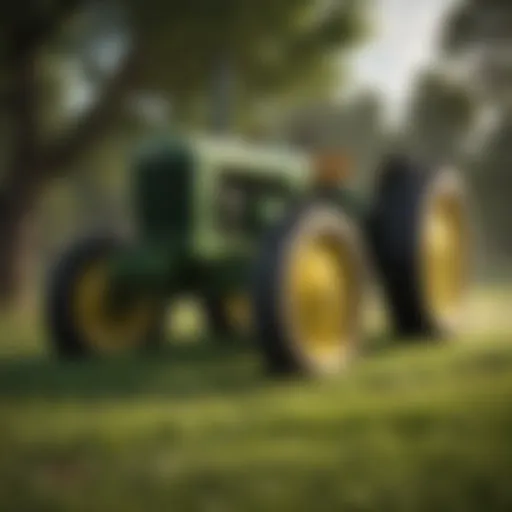
The John Deere 4440 open station tractor stands as a hallmark in the annals of agricultural machinery, representing not just a vehicle but a significant evolution in farming practices. With its robust build and impressive specifications, it has carved out a niche in both practical farming and the collector's market. In recent years, there’s been a renewed interest in vintage tractors, and the 4440 is no exception. Understanding its features and historical impact can provide farmers and enthusiasts alike with a deeper appreciation for its role in transforming agriculture.
The focus of this article is to delve into the technical specifications, performance indicators, and the current market dynamics surrounding the John Deere 4440. We will explore how this tractor contributed to advancements in farming techniques and highlight factors affecting its desirability among collectors. With an eye toward contemporary practices in agriculture, this review aims to link the past with present-day insights, helping you to navigate the complexities of its relevance today.
Prolusion to the John Deere
In the pantheon of agricultural machinery, few tractors have withstood the test of time like the John Deere 4440. Introduced in the late 1970s, this model has become an enduring symbol of reliability and performance for farmers and agricultural professionals alike. Its importance can be gleaned not just from its capabilities but also from the community and legacy it has fostered over the decades.
The John Deere 4440 is often considered a workhorse in the field, praised for its balance of power and efficiency. Equipped with a robust engine, this tractor has made a name for itself in a variety of farming tasks—from plowing vast farmlands to hauling heavy loads. For farmers, this has translated into increased productivity which is vital in today’s fast-paced agricultural environment.
Another key aspect of the 4440 is its accessibility. Designed with user-friendliness in mind, it appeals to both seasoned operators and those who are just starting their journey in farming. Its open station design not only provides an unobstructed view but also enables easy entry and exit, helping users to work more efficiently and effectively throughout long hours in the field.
Moreover, understanding the 4440's historical context adds richness to its narrative. It marked a significant evolution in design and engineering for John Deere, blending modern technology with classic concepts that resonated strongly with growers across America. Many in the farming community have shared stories of their experiences with this model, often passing down knowledge from generation to generation.
Thus, the John Deere 4440 is not just a machine; it’s part of a broader story interwoven with the traditions of agriculture and the evolving demands of farming practice. In this article, we will delve deeply into its specifications, the unique features of the open station model, and the market dynamics surrounding it, shedding light on why the 4440 still holds a respected place in the hearts of agriculturalists today.
Historical Context
Understanding the historical context of the John Deere 4440 is crucial for grasping the evolution and significance of this tractor in agriculture. This tractor didn't just pop up in the market; it emerged from a rich lineage that shaped farming as we know it today. The John Deere 4440, introduced in the late 1970s, marked a pivotal moment in the agricultural sector, where advancements in technology met the pressing needs of farmers seeking efficiency and reliability.
Preamble of the John Deere
The John Deere 4440 was truly a marvel of engineering for its time. Released in 1978, it was part of the 40 series that showcased John Deere's commitment to innovation. Powered by a robust 6-cylinder engine, it delivered a striking 110 horsepower—a significant boost in power compared to its predecessors. Featuring an open station design, this model was tailor-made for operators who desired both functionality and comfort. The design facilitated better visibility and ease of access, allowing farmers to perform tasks with greater efficiency.
Farmers appreciated how its hydraulic system was not just powerful but also versatile, enabling a range of attachments and implements. This capability allowed the John Deere 4440 to adapt to various farming tasks, from plowing fields to hauling grain. It wasn’t just a piece of equipment; it was a tool that revolutionized the daily routines of farmers.
Legacy of John Deere Tractors
The legacy of John Deere tractors runs deep in the annals of agricultural history. Founded in the 1830s, John Deere began with a simple steel plow designed to cut through tough soil. Fast forward to the late 20th century, and the John Deere 4440 embodies over a century of dedication to agriculture.
John Deere established a reputation for durability and reliability, characteristics revered by farmers. Owners of the 4440 often reminisce about its ruggedness and ability to perform in the toughest conditions, establishing it as a trusted ally in the field. This model not only represented technological prowess but also echoed the values of hard work, ingenuity, and resilience that are hallmarks of the farming community.
Moreover, the allure of the 4440 endures not just due to its outstanding technical specs but also because of its nostalgic connection to eras of agricultural transformation. Collectors and enthusiasts don’t merely see it as a tractor; they regard it as a piece of history—something that has helped mold farming practices and shaped rural life overall. This legacy continues to resonate, making the John Deere 4440 not just a machine, but a symbol of agricultural progress.
Specifications of the John Deere
Understanding the specifications of the John Deere 4440 is essential for farmers and enthusiasts who wish to harness its capabilities effectively. Each detail plays a significant role in determining its utility on the field. Knowing the tractor's specifications allows for better decision-making related to operations, whether in terms of choosing appropriate attachments, calculating payload capacities, or even estimating fuel needs. Moreover, this knowledge can aid in maintenance planning and addressing performance issues should they arise.
Engine and Power Details
The heart of the John Deere 4440 is its robust engine. Featuring a 6-cylinder diesel engine, its design is focused on delivering both power and efficiency. Generally, the engine's specifications stand at around 200 cubic inches, producing approximately 97 horsepower. This power allows the tractor to handle various agricultural tasks with ease—be it tilling soil or hauling goods. Of notable interest is the torque output, which peaks around 220 ft-lbs at lower RPMs, making it particularly effective for heavy-duty applications. The air-cooled design adds to its reliability, reducing the risks associated with overheating during long operational hours.
Dimensions and Weight
When it comes to physical specifications, the John Deere 4440 has a practical design, balancing size and functionality. The tractor generally weighs in at around 10,000 pounds, which is hefty enough to provide stability during operations yet manageable for most agricultural tasks. Its dimensions span about 129 inches in width and approximately 92 inches in height. Such parameters enable it to traverse narrow spaces while efficiently working in open fields. Importantly, the larger wheelbase contributes to a smoother ride, enhancing driver comfort and control on undulating terrain.
Hydraulic Capabilities
The hydraulic system of the John Deere 4440 is another cornerstone of its versatility. It features a system rated for about 2,400 psi, which allows it to operate various implements effectively. Users can expect a flow rate of approximately 12 to 15 gallons per minute, enabling swift action of hydraulic attachments. This capability is particularly valuable during tasks like lifting, tilting, and lowering implements, enhancing productivity on the job. Additionally, the hydraulic system supports dual-acting cylinders, which is a significant advantage during tasks requiring precise control and maneuverability, such as baling hay or managing soil conservation practices.
With its hydraulic capabilities, the John Deere 4440 stands out as a reliable tool that supports diverse farm operations—making it an adaptable choice for both large and small agricultural enterprises.
Knowledge of these specifications not only instills confidence but also helps users recognize the John Deere 4440's potential in agrarian contexts. As we delve further into the aspects of market analysis in subsequent sections, it’s essential to keep these core details in mind.


Key Features of the Open Station Model
The John Deere 4440’s open station design is not just a form of aesthetics; it plays a significant role in the functionality and usability of the tractor. The features inherent to this model cater to both novice and seasoned operators, facilitating a comfortable and efficient work experience. Being often considered in agricultural circles, these features significantly enhance the overall operational efficiency of the tractor.
Operator Comfort and Ergonomics
Comfort is vital when operating any agricultural machinery for extended periods. The John Deere 4440 makes strides in ergonomics that are praiseworthy. The open station layout allows for ease of entry and exit, which is a boon for farmers who often jump in and out of their tractors throughout the day. According to long-time users, the seating arrangement offers adequate lumbar support, so operators can focus on the task at hand without the added discomfort of strain.
Operators have noted that the controls are intuitively positioned, reducing unnecessary strain on wrists and arms. The ability to adjust the seat to accommodate different body types is an essential consideration in ensuring an efficient operation, reducing fatigue over long hours of labor. Overall, this attention to comfort is a significant draw for those considering this model.
Visibility and Accessibility
Visibility is another hallmark of the John Deere 4440. With an elevated seat position and a thoughtfully designed cab structure, operators gain a clear sightline to the ground and surrounding areas. This clear visibility is indispensable, especially in crowded fields or when towing implements that require precision.
Accessibility also stands out in this design; the open configuration gives operators a sense of freedom, allowing them to turn their heads without obstruction. This design accommodates larger implements with visibility to monitor attachment performance, ensuring work can progress without hitches. Many seasoned farmers argue that this feature alone can enhance productivity and reduce the risk of accidents in the field.
Versatility in Applications
When it comes to versatility, the John Deere 4440 shines like a diamond in a coal mine. Its robust power and open station design allow it to adapt to a myriad of farming scenarios. Whether it’s tilling, hauling, or mowing, this tractor is built to manage various tasks effectively. Many users prefer this model for its compatibility with a wide range of attachments. From plows to seeders, the adaptability of this machine makes it a favorite among farmers who need a reliable workhorse.
Additionally, the ability to modify setup based on seasonal needs paves the way for year-round usability. Users find the open station design advantageous not only in the fields but also in small, tight areas of their farms where maneuverability is paramount.
Ending
The John Deere 4440's open station model is more than just a functional machine; it is a blend of comfort, visibility, and versatility that caters specifically to the needs of modern agricultural practices. This combination positions it as a noteworthy choice for farmers and enthusiasts alike.
Performance Metrics and Capabilities
Understanding the performance metrics and capabilities of the John Deere 4440 is critical for anyone interested in this iconic tractor. Not only do these metrics define how the tractor operates in various conditions, but they also play into the decision-making process for potential buyers or users of the machine. Fuel efficiency, field performance, and towing capacity are key aspects that shed light on how well this tractor performs, especially in the demanding environments of agriculture.
Fuel Efficiency Analysis
Fuel efficiency is often one of the first metrics looked at when assessing a tractor's performance. The John Deere 4440 boasts a fuel-efficient engine that is designed for optimal power without breaking the bank at the gas station. The four-cylinder diesel engine, clocking in at around 105 horsepower, effectively balances performance and consumption.
When farmers evaluate the 4440, they typically consider the hours spent in the field versus the amount of fuel consumed. This translates to cost savings and operational efficiency. With proper tuning and maintenance, users have reported fuel consumption rates as low as 5 to 6 gallons per hour during typical field operations.
Field Performance
Field performance encompasses how well the John Deere 4440 handles various agricultural tasks. Its robust structure allows it to thrive in diverse conditions, whether it’s plowing through tough soil or maneuvering in tighter spaces for planting and harvesting.
"The John Deere 4440 doesn’t just get the job done; it does so while keeping comfort and control at the forefront of agricultural work."
Factors such as its transmission system also enhance its versatility. Featuring a synchronized transmission, the tractor allows for smooth shifting, which is essential when navigating around challenging terrains. User feedback indicates that this smoothness translates to decreased fatigue over long hours of operation. Another noteworthy mention is its active hydraulic system, which provides remarkable control over attachments, amplifying its overall field performance.
Towing and Hauling Capacity
When it comes to towing and hauling, the John Deere 4440 stands out among its peers. With a hitch capacity of over 8,000 pounds, it excels in moving significant loads whether on the farm or during transport scenarios.
This capability is crucial for farmers who need a reliable tractor to assist with moving equipment, trailers, or other implements. The power, coupled with the tractor’s stability, makes it a preferred choice for tasks requiring heavy lifting. Moreover, the design of the tractor ensures weight distribution is balanced, contributing to safer towing experiences and reducing the risk of tire wear or operational strain.
In summary, the John Deere 4440 open station's performance metrics and capabilities make it a stalwart option for farmers who value efficiency, control, and capacity. These elements not only enhance agricultural productivity but also ensure that the tractor remains a competitive choice in today’s market.
Market Availability
Understanding the market availability of the John Deere 4440 open station tractor is crucial for various stakeholders, including farmers looking to make a purchase, enthusiasts keen on collecting, and agricultural businesses evaluating their equipment options. The dynamics of how, when, and where these tractors are available can greatly influence buying decisions. A comprehensive analysis helps potential buyers grasp the best practices for sourcing this iconic piece of equipment while ensuring they are getting fair value for their investment.
The market for the John Deere 4440 is shaped by several factors:


- Condition of Equipment: The availability of tractors varies depending on whether they are in mint condition or showing signs of wear.
- Seasonal Trends: Demand can fluctuate based on the agricultural season. Typically, new purchases may spike in spring as farmers prepare for planting.
- Geographic Location: Some regions may have a higher concentration of listings due to differences in local farming practices and historical use of the John Deere brand.
- Online Platforms: With online selling becoming the norm, platforms like eBay, Craigslist, and specialized tractor sales sites have changed how users access availability.
Focusing on the above factors keeps one well-informed and prepared when searching for a John Deere 4440.
Current Listings
As of now, the current listings for the John Deere 4440 open station tractor reveal a diverse range of options in terms of pricing, condition, and features. Websites dedicated to agricultural equipment or general classifieds are the best venues to explore. Here’s how things generally stack up in the listings:
- Online Marketplaces: Sites like eBay and Facebook Marketplace hold numerous listings, offering potential buyers the flexibility to purchase directly from previous owners or dealers. Currently, prices for John Deere 4440 models can range widely. Listings often provide detailed descriptions, which can aid in comparing what's available.
- Auction Houses: Auctions can be a treasure trove. Equipment auctions frequently feature 4440s, and savvy bidders can snag deals, although competitive bidding can drive up prices.
- Local Dealers: There can also be regional dealers specializing in used equipment who may have well-maintained examples, often with added warranties or service packages.
In terms of condition, a thorough examination of photos and direct communication with sellers is paramount to gauge whether a specific tractor meets individual needs. Potential buyers should evaluate:
- The mechanical and cosmetic state of the tractor.
- Irrigation and maintenance history.
- Documentation of any modifications or replacements.
Comparative Pricing Analysis
A comparative pricing analysis can illuminate the value of the John Deere 4440 open station tractor across different platforms and conditions. While prices can shift significantly, here's a closer glimpse into contemporary benchmarks:
- Condition-Based Pricing: Well-preserved units with minimal hours typically command higher prices. As such, an excellent condition 4440 can range from $15,000 to $30,000 whereas those requiring considerable repairs may fall below $10,000.
- Market Comparisons: Considering similar models for comparative purposes provides additional insights into the fairness of listed prices. For example, tractors like the Case IH 7140 and the International Harvester 784 may have comparable performance but could be listed at different price points depending on their market demand.
- Regional Variations: Geographically, the pricing for the same tractor can differ based on local market dynamics. For instance, rural areas with farming activity might see higher prevalence and competitive pricing for the 4440 compared to urban settings.
Moreover, as indicated in user forums and community discussions on platforms like Reddit and tractor enthusiast websites, farmers tend to share valuable insights regarding fair pricing and the overall availability of John Deere 4440s. These insights can be further substantiated with statistics from farming journals and market studies available through academic platforms like ResearchGate or JSTOR.
Evaluating these aspects can help prospective buyers make informed decisions while ensuring they’re not overspending. The key takeaway is diligence—researching availability and collecting data on pricing can make all the difference in landing a sound investment.
Factors Influencing Pricing
Understanding the factors that influence pricing for the John Deere 4440 is crucial for buyers and sellers in the agricultural machinery market. It delves into how the condition of each tractor, including its maintenance history and the overarching trends of supply and demand, can cause fluctuations in pricing that every agricultural enthusiast should be aware of.
Condition and Maintenance History
The condition of a John Deere 4440 significantly affects its market value. A well-maintained tractor that has undergone routine service checks will yield a higher price than one that shows signs of neglect. Prospective buyers should prioritize looking into the following aspects when evaluating condition:
- Service Records: Documentation is key. A history that shows consistent maintenance with reputable service providers can boost buyer confidence.
- Physical Inspection: Visual inspections should look for signs of wear and tear, such as rust on the chassis, leaks under the hood, and the condition of tires and belts. These are telltale signs of potential issues.
- Age and Usage: It's essential to note not only the age of the tractor but also how it was used. A tractor that's primarily been on a small farm may be less worn than one used for heavy-duty industrial applications.
A tractor that has been taken care of properly could easily fetch higher numbers in the market, drawing in farmers looking for reliability and low downtime in their operations.
Market Trends and Demand
Market trends play an undeniable role in dictating the value of the John Deere 4440. Economic factors such as agricultural output levels, crop prices, and even external factors like weather patterns can shift demand substantially. Here are some key points to consider:
- Economic Climate: When crops are selling well, farmers are more likely to invest in machinery. Conversely, in tough economic times, demand can dwindle, lowering prices.
- Seasonal Variations: The agricultural sector often sees a seasonal shift in demand for tractors. Following harvest, there might be a drop in prices, while pre-planting seasons can see an uptick as farmers prepare for the next planting cycle.
- Local Market Conditions: Different geographical regions may experience distinct trends based on local agricultural practices. For example, a place where soybean farming is prevalent might see higher demand for certain traits within the 4440 than in a dairy-centric area.
Maintenance Considerations
When handling the John Deere 4440, understanding the maintenance considerations is crucial for ensuring longevity, optimal performance, and reliability. Like any significant investment, proper care can spell the difference between a well-functioning piece of machinery and one that’s fraught with issues. For farmers and enthusiasts alike, regular maintenance practices contribute not only to the efficiency of the tractor but also to its resale value down the line. Through this lens, we can examine routine maintenance and common issues and solutions that might arise, shedding light on best practices.
Routine Maintenance Practices
Conducting routine maintenance on the John Deere 4440 is essential to keep it running smoothly. Here are some fundamental practices:
- Oil Changes: Regular oil changes are a cornerstone of tractor maintenance. Neglecting this can lead to engine wear and tear over time. It’s generally advisable to change the oil every 100 hours of operation or at least once a season.
- Filter Replacements: Don’t overlook the air and fuel filters. A dirty filter can choke the engine, reducing efficiency. Inspect these filters regularly and replace them as necessary to keep the engine clean and operational.
- Tire Pressure Monitoring: Ensure tire pressure is optimal, too low or too high can affect the tractor's stability and performance. Regular checks can also prevent premature tire wear.
- Battery Care: Batteries are often taken for granted. Clean the terminals and check the water level if you have a non-maintenance-free battery to avoid starting issues.
- Hydraulic Fluid Checks: The hydraulic system is critical for operational effectiveness. Inspect fluid levels regularly and top them off as needed, ensuring all seals are intact to prevent leaks.
Routine practices can seem tedious, but taking them to heart makes a significant difference. As the saying goes, "an ounce of prevention is worth a pound of cure.”
Common Issues and Solutions


Despite regular maintenance, like any machinery, the John Deere 4440 can experience issues. Here are some common problems and their solutions:
- Engine Overheating: If the engine runs hotter than normal, it could signal cooling system failure. Check coolant levels and inspect the radiator for blockages. If the problem persists, professional evaluation might be required.
- Starting Difficulties: If the tractor has trouble starting, inspect the battery, starter motor, and connections. Often, simply cleaning the connections can resolve the issue.
- Hydraulic Issues: Jagged movements or sluggish hydraulic operations can stem from low fluid levels or leaks. Regularly check hydraulic fluid and look for leaks in hoses.
- Electrical Failures: Faulty wiring or corroded connections can lead to system failures. Inspect wiring regularly for signs of wear or corrosion, and replace as needed.
- Excessive Smoke: If the tractor begins to emit unusual smoke from the exhaust, it can indicate burning oil or fuel inefficiencies. Investigating the tuning of the engine can often mitigate this issue.
By addressing these common concerns promptly, owners can maintain the reliability and operational excellence of their John Deere 4440. Attention to detail in maintenance goes a long way, ensuring the tractor remains a steadfast partner in farming journeys.
User Reviews and Testimonials
Understanding the experiences of users can offer unique insights into the John Deere 4440 open station tractor. User reviews and testimonials serve as first-hand accounts of how this machinery performs in real-life agricultural settings. They go beyond specifications and data, conveying the day-to-day realities and practical applications of the tractor. Harvesters, farmers, and collectors often turn to these personal accounts, which not only help in decision-making but also paint a portrait of the tractor's legacy.
Evaluating feedback from actual users includes examining both praise and criticism. While positive experiences may highlight triumphs on the field, critical feedback can shine a light on potential drawbacks or necessary considerations for new buyers. This balanced view is essential for anyone looking to invest in this classic piece of equipment.
Positive Experiences
Many users of the John Deere 4440 have expressed immense satisfaction with their machines. Through various forums and marketplaces, common themes emerge. Here are some key points from user testimonials:
- Reliability: Users frequently commend the 4440 for its consistent performance. Many have noted that even after years of use, this tractor still delivers power and efficiency.
- Ease of Use: Operators have shared that the open station design offers ease of access to controls, allowing for smooth operation, especially during intensive tasks like tilling or hauling.
- Versatility: Testimonials often highlight the tractor’s ability to handle a myriad of tasks, be it cutting hay or pulling large equipment, showcasing its adaptability in various farming contexts.
- Comfort: Many users describe the open station as comfortable for long periods of operation, making it a preferred choice during the busy farming seasons.
Positive feedback from users reinforces the reputation of the John Deere 4440 as a reliable and efficient workhorse, making it a sought-after choice among farmers.
Critical Feedback
On the other side of the coin, it is important to consider the critical feedback offered by some users. While many find the John Deere 4440 to be an exemplary piece of machinery, some issues do appear in testimonials that are worth noting:
- Maintenance Costs: Some users have reported that maintaining the 4440 can be expensive, particularly as parts become harder to find or pricier with age.
- Fuel Consumption: A minority of operators have noted that the tractor may consume more fuel than they anticipated, particularly during heavy use.
- Age-Related Wear: Given its historical background, some tests users have found that certain models require more frequent repairs due to age. This is an essential consideration for prospective buyers, especially those looking at vintage units.
Through parsing both the positives and negatives from user feedback, prospective buyers can form a well-rounded perspective on the John Deere 4440. Engaging with these reviews can support informed purchasing decisions and highlight areas for potential improvements or considerations down the line.
Culmination
In summing up the examination of the John Deere 4440 open station tractor, it's crucial to acknowledge the multifaceted nature of its appeal in today's agricultural landscape. This model stands as a testament to the ingenuity and durability that John Deere is renowned for, blending historical significance with modern practicality. Understanding ths tractor isn't merely about the specifications or features; it's about recognizing its role in shaping farming operations for decades.
Several elements merit emphasis:
- Historical Significance: The 4440 has been a dependable force in farming for years. It offers insights into the evolution of agricultural machinery, reflecting advancements in technology and ergonomics that have modified the way farmers approach their work.
- Performance Balanced with Comfort: The operator comfort and robust performance metrics are specific benefits that resonate with both long-time users and newcomers. Farmers often recount how this model has improved their efficiency and comfort during grueling workdays.
- Market Viability: The current state of the market illustrates a growing demand for reliable older tractors like the 4440. As newer models flood the industry, enthusiasts and farmers alike continue to cherish the qualities that make this model desirable nit only for its capabilities, but also as an investment that holds value over time.
Considering various pricing factors has been integral to understanding the 4440’s market presence. Condition, maintenance history, and market demand all play crucial roles. Those looking to purchase or restore a John Deere 4440 must pay careful attention to these aspects, ensuring they make an informed choice.
"The John Deere 4440 is not just a piece of machinery; it’s a symbol of agricultural heritage that continues to inspire innovation and dedication in modern farming."
Further Resources
When diving deep into the world of the John Deere 4440 open station tractor, having access to further resources can be a game changer. It’s not just about the information you collect in this article, but also about how you augment your understanding with credible and useful tools. Here, we will explore what types of resources are beneficial when you’re on the hunt for more knowledge, practical advice, or even seeking to purchase one of these remarkable machines.
Links to Sellers and Marketplaces
Finding a reliable source to purchase a John Deere 4440 or any agricultural equipment can feel like searching for a needle in a haystack. However, various recognized online marketplaces can ease this process. These platforms not only offer listings of available tractors but often provide comprehensive details about the condition, pricing, and location. Key sites include:
- TractorHouse
A go-to platform that connects buyers and sellers, providing extensive listings along with machinery specifications and pricing history. It’s a treasure trove for serious buyers. - MachineryPete
This site tracks farm machinery prices across North America. It's particularly useful for understanding the market value of your desired model. - eBay
A household name that occasionally features tractor listings, eBay can sometimes surprise buyers with good deals.
"Finding the right tractor isn’t just about price; it’s about finding the right fit for your farming needs."
- Facebook Marketplace
Increasingly, sellers are turning to social media to reach buyers. Here you can discuss directly with sellers, often leading to a better purchase experience.
Additionally, state and local auctions can be a hidden gem for finding agricultural machinery at competitive prices without the hassles that online shopping can bring. Keep an eye on your local agricultural events and fairs, as tractors often go under the hammer at these venues.
Related Articles on Tractors
To gain a holistic view of tractors beyond just the John Deere 4440, exploring related articles can be incredibly beneficial. Here are some types of articles that offer valuable context and insights:
- Comparative Analysis of Classic Tractors
Articles that detail how the 4440 stacks up against its contemporaries, such as models from International Harvester or Case IH, provide perspective on its standing in the market. - Technological Advances in Modern Tractors
Understanding the shift in technology can show how the older models, like the 4440, paved the way for modern innovations in efficiency and design. Look for pieces on precision agriculture and its impact on tractor technology. - Farm Maintenance Tips
Articles devoted to tractor maintenance can help you keep your John Deere 4440 in prime condition. Look for guides that focus on lubrication, parts replacement, and general upkeep to ensure longevity. - User Manuals and Historical Insights
Delve into documents that offer original user manuals or historical perspectives on tractor evolution within agriculture; this can enhance your appreciation of models like the 4440.
By tapping into these further resources, you not only broaden your understanding of the John Deere 4440 but also enhance your prowess in agricultural business and sustainability practices. Always be on the lookout for articles and resources from credible sources like Wikipedia en.wikipedia.org, Britannica britannica.com, or specialized forums like Reddit reddit.com where enthusiasts and professionals gather to share insights.