Comprehensive Guide to Grain Storage Containers


Intro
In recent years, the significance of selecting appropriate storage solutions for grains has floated to the top of agricultural discussions. As crop yield continues to rise, farmers and agricultural professionals are faced with the challenge of not only preserving the quality of their grains but also maintaining safe storage practices. The right storage containers can be the difference between a profitable harvest and a loss due to spoilage, pests, or environmental factors. This exploration takes a comprehensive look into the various storage containers specifically designed for grains, providing insights on material choices, designs, and best management practices that are vital for ensuring the longevity and quality of harvested products.
Understanding these storage options is imperative for anyone involved in agriculture. Farmers must weigh their needs against their resources and the specific challenges presented by their local environments. By delving into current trends in agricultural practices, including innovations and sustainable techniques, this guide aims to equip those in the field with the knowledge to make informed decisions about grain storage.
Adopting the right container is not simply about keeping crops safe from pests or moisture; it is about creating an optimal environment for each type of grain. This exploration emphasizes the facets of storage that contribute meaningfully to the overall success and sustainability of farming operations, as well as examining technologies that can streamline this essential aspect of agronomy.
Whether you’re a seasoned farmer or a horticultural enthusiast just beginning to explore the wonders of grain storage, the information compiled here will offer valuable takeaways. We will navigate through the variety of materials available, analyze the pros and cons of each design, and explore modern innovations transforming the landscape of agricultural storage.
Let’s commence this journey into the heart of grain preservation, beginning with the reflection on Current Trends in Agriculture and Horticulture.
Prologue to Grain Storage
Grain storage plays a pivotal role in agriculture, functioning as the first line of defense against spoilage and degradation of what is often a farmer's most valuable asset. In essence, the significance of this practice cannot be understated. Improper storage can lead to mold, insect infestations, and significant loss of quality, ultimately impacting the farmer's bottom line. Therefore, understanding the various storage options available is crucial for anyone involved in grain production.
Importance of Proper Grain Storage
Effective grain storage is akin to preserving a delicate balance. Proper techniques ensure that grains remain dry, clean, and safe from pests.
- Quality Retention: When stored correctly, grains maintain their nutritional value, flavor, and appearance. Conversely, poor storage can cause grains to become rancid or contaminated.
- Financial Security: Farmers invest substantial resources in growing their crops. Ensuring suitable storage practices helps safeguard this investment, minimizing potential economic losses.
- Market Timing: Adequate storage facilities enable farmers to wait for favorable market conditions to sell their products. This prevents the need to sell off crops at lower prices just after harvest.
In the broader context, these practices are essential not just for individual livelihoods but also for ensuring food security in communities and even nations.
Historical Context of Grain Storage Practices
The history of grain storage is as old as agriculture itself. Primitive societies relied on natural shelters, such as caves, to keep their harvested grains safe. Over time, storage methods evolved, shaped by both cultural practices and technological advancements.
- Earthen Pits: Many ancient civilizations, like those in Mesopotamia, utilized earthen pits lined with straw or leaves. This method provided a layer of insulation against temperature fluctuations.
- Granaries: With an increase in population and food production, dedicated structures known as granaries began to emerge in ancient Rome and Greece. These more advanced systems allowed for the safekeeping of large quantities of grain.
- Silos: Moving forward, the introduction of silos revolutionized grain storage. Initially made from wood or masonry, modern silos utilize materials like metal or reinforced concrete, enhancing durability.
With this historical backdrop, it's evident that grain storage solutions have continued to adapt, reflecting technological innovations and shifting agricultural practices. Understanding this evolution offers valuable insights into current strategies and modern challenges faced by farmers today.
"Tradition teaches us the importance of proper grain storage, but innovation guides us forward."
Types of Grain Storage Containers
Grain storage is no small potatoes. Choosing the right containers can make a world of difference for farmers and agricultural professionals. This segment will dissect various types of grain storage solutions available, each with its own merits and demerits. Understanding these options not only helps in preserving the quality of the stored grains but does also ensure safety from pests and environmental factors. Whether you are an experienced farmer or new to the scene, knowing the specifics of your container choice is of utmost importance.
Metal Grain Bins
Advantages of Metal Bins
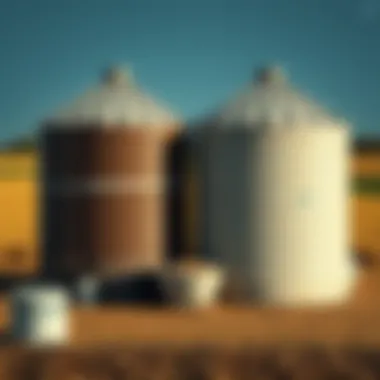
When it comes to sturdiness, metal grain bins are hard to beat. Their durability stands tall among the various storage options. Made from galvanized steel or aluminum, these bins are resilient against the elements, such as rain and snow, not to mention pests. One of the shining benefits lies in their ability to withstand rust when treated properly, extending their life in the field. They also come equipped with superior sealing properties which protect grains from moisture, a key advantage in grain preservation. With the reliable nature of metal bins, they often prove to be a wise investment for those wanting longevity in their storage solutions.
Disadvantages and Maintenance Needs
Of course, nothing is perfect. Metal bins do come with a set of challenges. Firstly, the cost can be considerably higher compared to other materials, making it a larger initial investment. Furthermore, maintenance is not a walk in the park. Regular checks for rust spots and other wear and tear are necessary. If ignored, these bins can develop leaks or weaken structurally. In places where humidity and temperature fluctuate greatly, extra attention is required to prevent condensation buildup inside the bin, which can spoil the grains. So, while metal might be a sturdy option, keeping it in shipshape requires commitment.
Plastic Grain Containers
Benefits of Lightweight Design
Plastic grain containers have gained traction among those looking for lighter alternatives. Their lightweight nature means easier transport and handling. Most plastic containers are made from high-density polyethylene (HDPE), which makes them resistant to shocks, temperature variations, and UV exposure. This design is especially valuable for farmers who may need to reposition their containers often or should the weather turn on them. Additionally, the cost of these containers tends to be lower than their metal counterparts, making them an attractive option for smaller operations.

Limitations of Plastic Storage
Yet, there are caveats. While lightweight can be advantageous, it can also lead to instability. Some plastic options may not hold up as well against heavy impacts or extreme weather, leading to potential cracking or deformities over time. Moreover, being porous, they can be susceptible to performance degradation over several years, especially when faced with harsh chemicals or prolonged sun exposure. Thus, while convenient, caution must be exercised when opting for plastic grain containers.
Fabric Grain Silos
Flexibility and Portability
If flexibility is on your list, fabric grain silos might catch your interest. These containers are exceptionally portable; they can be set up and taken down with relative ease. Made from durable fabric that is often tear-resistant, these silos provide adaptability in handling varying quantities of grains. Farmers can adjust their storage space based on seasonal needs, which is a huge plus in dynamic agricultural environments where crop yields can differ significantly. The lightweight quality means lower shipping costs too, allowing farmers to save a buck.
Considerations for Usage
However, they do come with stipulations. Fabric silos can be more vulnerable to weather conditions, such as strong winds and heavy rain. While they do offer breathability, ensuring that moisture levels remain optimal requires diligence. Furthermore, their installation should be on a stable and level surface, or you might find your precious grains rolling away. As such, understanding their limitations can help manage expectations.
Wooden Storage Solutions
Traditional Pros and Cons
Wooden storage solutions have been around for ages. Their rustic charm can appeal to some farmers who prefer traditional methods. Wood has insulating properties that can help moderate temperature changes, protecting grains from extreme conditions. Additionally, wooden bins can be constructed in various styles to fit specific needs. The natural latex often found in wood helps deter some pests, which can be a feather in the cap.
Modern Wooden Options
However, modern approaches to wooden storage have evolved. New treatment methods and designs make them more efficient and durable, lessening the risk of rot and pest damage. Some companies now produce advanced engineered wood that maintains the aesthetic appeal while addressing traditional concerns. But be aware; wood still requires regular maintenance. If left untreated, it can develop cracks and deteriorate quickly. So while modern wooden options might look good on the outside, the upkeep can be labor-intensive.
Material Considerations for Grain Containers
When it comes to storing grains, choosing the right material for storage containers is crucial. The materials affect not only the durability and safety of the stored grain but also the overall cost-effectiveness of storage practices. Selecting the appropriate construction materials can significantly impact how well grains maintain their quality over time. Different materials have specific benefits and considerations that need to be examined carefully, especially for those involved in agriculture or grain management.
Evaluating Durability and Longevity
Durability is a key factor when considering grain containers. Containers that resist rust, corrosion, and wear are essential for protecting grains from moisture and infestations. For instance, metal grain bins are often praised for their long lifespan. On the flip side, they can be susceptible to temperature fluctuations, which might lead to condensation inside the bins. It’s worth the trouble to invest in quality metal that has been treated to withstand such conditions.
One cannot overlook plastic containers either. Plastic grain containers, while lightweight and easier to handle, typically have a shorter lifespan compared to metal options. However, some high-density polyethylene containers are built with UV-resistance, making them suitable for outdoor storage. A well-chosen container can last many years, saving money in the long run and ensuring that the quality of the grain is preserved. Regular assessments of the materials' integrity can help identify problems before they escalate.
"It's not just what’s inside that counts, but how well the container stands the test of time."
Impact of Environmental Conditions
The environment plays a significant role in how materials perform. Grain containers must be suited for specific climatic conditions to prevent damage from moisture, heat, or cold. For instance, a region with high humidity levels may require containers with better moisture control features. Metal and plastic both can expand and contract due to temperature stability concerns, but their performance can differ greatly.
For example, fabric silos are an interesting option that can adapt to ambient conditions. They allow airflow and prevent the build-up of moisture, which can be critical in preserving grain quality. However, they might not provide the same level of protection as sturdier options. Wood, once a common choice, has seen a decline due to its susceptibility to pests and moisture unless treated properly.
Overall, understanding the impact of local environmental conditions on the selected materials for grain storage is fundamental. Assessing these elements prior to choice not only maximizes the lifespan of the containers but also ensures that the stored grain remains at its peak quality.
Design Features of Effective Storage Containers
When it comes to grain storage, the design features of containers play a pivotal role in ensuring the safety and quality of the stored grains. Properly designed containers can mean the difference between robust preservation of grain and total loss due to spoilage or pest infestations. Understanding these features is essential for farmers and agricultural enthusiasts alike.
Ventilation and Breathability Factors
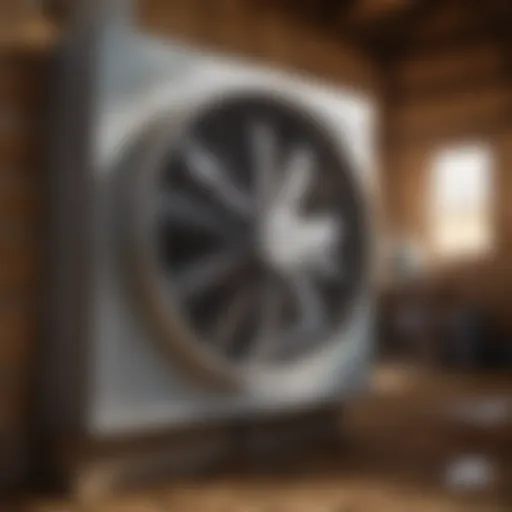
A major factor in effective grain storage is ventilation. It facilitates air circulation within the container, which keeps the grains dry and prevents moisture accumulation. This is especially important for long-term storage, where moisture can lead to mold growth and spoilage.
Prevention of Moisture Build-up
To tackle the issue of moisture build-up, effective ventilation systems are integrated into storage containers. These systems allow moisture to escape, which is crucial for maintaining the integrity of the grains. By using containers designed with ventilation slits or breathable fabrics, operators can significantly reduce the risk of spoilage. It's appealing for many because it supports grain longevity. A unique aspect of effective moisture prevention involves active monitoring. For example, some containers come equipped with sensors that indicate humidity levels, providing timely alerts should conditions become unsuitable. This innovation stands out, offering peace of mind for grain handlers.
Temperature Regulation
Temperature consistency is a significant concern. Proper temperature regulation helps maintain a stable environment for stored grains. Excess heat can increase the likelihood of insect activity and spoilage, while cold can damage the grain's integrity. Containers with reflective insulation or those constructed with thermal-resistant materials help mitigate these risks. They keep the internal temperature steady, contributing greatly to preserving grain quality. The notable advantage lies in energy savings; by maintaining optimal temperatures naturally, there is less reliance on additional heating or cooling equipment.
Access and Handling Considerations
Next, let's look at access and handling as crucial design traits for effective storage containers. The ability to load and unload grain efficiently can greatly impact productivity.
Ease of Loading and Unloading
The ease of loading and unloading mechanisms incorporated in storage containers can streamline operations significantly. Many modern containers are designed with wide openings and ingeniously fashioned hatches that allow for easy access. Additionally, some containers feature gravity-fed systems that simplify the unloading process. This is particularly beneficial during peak harvest seasons when time is of the essence. Moreover, containers designed for easy access reduce the physical strain on workers and can enhance safety during operation.
Adaptations for Automatic Handling
With advancements in agricultural technology, the adaptability of grain storage containers for automated handling systems is becoming increasingly common. These adaptations can include features such as built-in grooves or tracks for conveyor systems. Such developments aim to enhance efficiency by minimizing manual labor and speeding up the grain handling processes. The core advantage here lies in the potential for increased output and precision, as automated systems can effectively manage the load while minimizing damage or spillage. However, adapting existing infrastructure to accommodate these innovations can sometimes pose challenges for farmers relying on traditional methods.
In summary, focusing on design features not only enhances the effectiveness of storage containers but also contributes directly to the sustainability of grain storage practices.
Best Practices for Grain Storage Management
Grain storage is not just about slapping some grain in a bin and calling it a day. It’s a delicate dance involving a multitude of factors that work together to maintain the integrity of the grain. Failing to implement best practices can lead to spoilage, pests, and loss of quality, translating to significant financial losses for farmers and grain handlers alike. Management practices must be multidimensional, encompassing monitoring conditions, ensuring pest control, and utilizing technology for optimal storage.
Regular Monitoring of Storage Conditions
Temperature and Humidity Checks
Keeping a close eye on temperature and humidity levels might feel like a tedious task, but it’s crucial in storing grain. Grains are moisture-sensitive, and even slight fluctuations can cause them to spoil. Monitoring these variables helps identify potential trouble spots before they escalate into a bigger issue. The most advantageous aspect of regular temperature and humidity checks is the capacity to maintain an environment that inhibits mold growth and pest infestations.
The key characteristic of these checks is the precision in determining the right conditions that should be maintained. Farmers often use digital hygrometers and thermometers for this purpose. These devices provide real-time data, enabling immediate action if parameters shift unexpectedly. The unique feature of a good monitoring system is its ability to send alerts when levels deviate from the optimal range, allowing for timely corrections.
However, the downside can be the initial cost for technology and equipment, which can be a heavy burden on a tight budget. Regardless, the long-term benefits of preventing spoilage and maintaining quality far outweigh the initial investment.
Assessment of Grain Quality
Assessing grain quality is another non-negotiable aspect of effective grain storage management. It encompasses evaluating factors such as moisture content, color, and infestation levels, all of which critically impact market value. Regular assessments provide insight into whether the stored grain is still viable for sale or consumption.
The main characteristic of quality assessments is their holistic approach to examining the grain; it’s not just about one factor but several working in harmony. Using portable moisture meters, farmers can instantly gauge moisture levels in stored grains, ensuring they remain within acceptable limits. An exceptional feature of these assessments is that they also encompass manual checks for physical signs of infestation, providing a comprehensive quality overview.
The challenge here, however, is the labor intensity involved in performing these assessments frequently and thoroughly. While it can be time-consuming, the resultant savings by avoiding spoilage or corrective measures make it profoundly worthwhile.
Pest Control Strategies in Grain Storage
Preventative Measures
Preventative measures are a crucial bedrock of any pest control strategy in grain storage. They encompass a range of practices, from regular cleaning and inspections to the use of chemical deterrents or traps. The goal here is preemptive action rather than reactive, minimizing the time grains are exposed to potential pests.
The defining characteristic of preventative measures is that they are proactive; they aim to address potential issues before they manifest. This can include strategies like keeping storage areas tidy, sealing cracks, and using rodent bait strategically around bins. A unique aspect is using natural deterrents like diatomaceous earth, which can target pests without harmful chemicals, appealing to many modern farmers focused on sustainability.
The downside, though, lies in the sheer consistency this requires; failing to regularly maintain preventative measures can lead to a sudden and overwhelming pest crisis.
Integrated Pest Management Approaches


Integrated Pest Management (IPM) is an innovative approach combining various strategies to control pests without reliance on a single solution. This method involves monitoring, biological controls, and responsible pesticide usage. The main intent is to achieve a balanced ecosystem that mitigates pest pressure while reducing chemical interventions.
The key characteristic of IPM lies in its sustainability focus; it isn’t just about control but maintaining an effective balance in the environment. Pest monitoring is coupled with habitat manipulation for pests’ natural predators, creating a more self-sustaining system. The distinct feature of this method is its adaptability; it allows farmers to respond to changing pest dynamics in real-time.
While widely regarded as beneficial for the environment, it can be challenging to implement fully. The learning curve for farmers who switch from conventional methods to a more integrated approach can be steep. However, the longer-term reduction in pest-related costs and health benefits makes IPM an attractive choice for the discerning land steward.
Innovations in Grain Storage Technology
As agriculture advances, the methods of storing grains are evolving more rapidly than ever. Innovations in grain storage technology have become crucial for enhancing the efficiency and safety of grain storage systems. In a world where food security is paramount, utilizing new technologies is not just beneficial; it's necessary. From smart monitoring systems to sustainable practices, these innovations address several key issues: maintaining quality, reducing losses, and implementing eco-friendly solutions.
Smart Technologies in Monitoring
Use of IoT Devices
The introduction of the Internet of Things (IoT) devices marks a significant shift in how grain storage is monitored. These devices, equipped with sensors, allow for real-time data collection related to the storage conditions. From detecting moisture levels to tracking temperature fluctuations, IoT devices provide a comprehensive overview of the environment surrounding stored grains.
One key characteristic of IoT technology is its ability to deliver alerts to users. This immediate feedback can be a game-changer in preventing issues like mold growth or spoilage. With the use of IoT devices, grain producers can react quickly to unfavorable conditions, thus protecting their harvests.
However, while these devices enhance monitoring capabilities, there are also considerations regarding installation costs and the necessity for user education, which may hinder widespread adoption initially. Yet, their advantages far outweigh the disadvantages, providing a more streamlined approach to grain storage management.
Data Analytics for Storage Efficiency
Once data is collected through IoT devices, the next step involves utilizing data analytics for storage efficiency. This technology allows for the analysis of trends and patterns in storage conditions over time, enabling farmers to make more informed decisions. By understanding past conditions, farmers can optimize their storage techniques to reduce waste and improve grain quality.
A standout feature of data analytics in this context is predictive modelling, which helps grain handlers anticipate issues before they arise, thereby ensuring smooth storage operations. This can be particularly advantageous during peak harvest times when storage conditions are critical.
On the downside, implementing data analytics requires a certain level of technical expertise, which may not be readily available to all users. Yet, for those willing to invest in training and technology, the long-term rewards of enhanced efficiency and quality management can be substantial.
Sustainability in Grain Storage Solutions
Eco-friendly Materials
The shift towards eco-friendly materials is not merely a trend; it is essential for sustainable agriculture. Many grain storage solutions are now being made from biodegradable materials that minimize the environmental impact. These materials not only reduce waste but also often offer comparable performance to traditional options.
A significant benefit of using eco-friendly materials is that they often require less energy to produce, benefiting both the environment and the bottom line of farmers. However, it's also worth noting that the initial investment might be higher, leading some to hesitate before fully transitioning.
Energy-efficient Practices
Energy-efficient practices have taken center stage when discussing sustainability in grain storage. These methods often involve retrofitting existing systems or redesigning storage facilities to incorporate energy-saving technologies. Techniques such as utilizing natural ventilation, solar panels, and efficient lighting can dramatically reduce energy consumption.
The critical aspect of these practices is their long-term impact. While some energy-efficient adaptations might require a sizeable upfront investment, they often yield savings over time, ultimately improving profitability. Furthermore, adopting such practices can enhance a farmer's reputation within the community, positioning them as a leader in environmental responsibility.
Investing in innovative technologies and sustainable practices isn’t just about being trendy; it can significantly influence the future of grain storage and agriculture as a whole.
Epilogue
Grain storage is an integral aspect of agriculture that often doesn't get the attention it deserves. Adopting the right storage containers can significantly impact both the quality of grains and the efficiency of agricultural practices. It's crucial for farmers and agricultural professionals to reflect on various elements when considering grain storage options. This article has delineated the fundamental types of containers available and the different materials they are made from. Selecting the suitable storage type is not merely about convenience but also about sustainability, cost-effectiveness, and the preservation of grain quality.
Summary of Key Insights
In light of the comprehensive exploration done in this article, several key insights emerge:
- Diverse Container Options: From metal bins to fabric silos, each type of container has its own set of benefits and limitations. The heavy-duty metal bins provide durability but may be costly, whereas plastic containers offer lightweight convenience but may not be as environmental.
- Material Matters: Different materials affect longevity and resilience under varying environmental conditions. Understanding these distinctions can help in making informed choices that align with specific needs and circumstances.
- Innovative Technologies: The advent of smart technology has transformed grain storage practices, allowing for real-time monitoring. IoT devices and data analytics can significantly enhance operational efficiency and decision-making processes.
- Sustainability is Key: Sustainable practices, such as utilizing eco-friendly materials and energy-efficient processes, are becoming paramount in modern grain storage solutions. This not only contributes to environmental preservation but also appeals to a growing market of eco-conscious consumers.
Future Approaches to Grain Storage
As we look ahead, the future of grain storage seems poised for further innovation. The integration of smart technologies will likely play an increasing role, facilitating better oversight and quality control. Additionally, as climate change continues to impact agricultural practices, refining storage strategies will become essential to ensure food security. Some trends to anticipate include:
- Enhanced Automation: Advances in automation will likely ease the burden on farmers regarding loading and unloading grain, driving labor efficiency.
- Smart Sensors: Expect the proliferation of sensors that can monitor grain condition more accurately, helping in timely interventions.
- Research-Driven Solutions: Continued research in materials science could lead to the development of better-performing storage solutions that mitigate issues like pest infestations and moisture retention.
Grain storage may seem like a niche topic, but its implications are vast, affecting everything from farmer livelihoods to global food security. By staying informed and adapting to new technologies and practices, stakeholders can ensure that grain storage is not only a necessity but thrives as an innovative field in agriculture.