Exploring 4 x 8 Polycarbonate Panels: Uses and Benefits
Intro
4 x 8 polycarbonate panels have emerged as a keystone material in modern agricultural and horticultural practices. Their unique properties make them suitable for a range of applications from greenhouse construction to insulation in livestock facilities. As agriculture grapples with the challenges posed by climate change, resource shortages, and an ever-growing population, finding innovative solutions is critical. The versatility of polycarbonate panels not only aids in addressing these challenges but also enhances productivity and sustainability in agricultural settings.
In this article, we will explore the applications, benefits, and best practices associated with 4 x 8 polycarbonate panels. The discussion will illuminate current trends in agriculture, delve into essential farming techniques, and touch on advanced tools and technologies that utilize these panels effectively. This comprehensive guide is designed to equip farmers, horticulturists, and agricultural enthusiasts with the knowledge needed to make informed decisions regarding polycarbonate materials in their operations.
Current Trends in Agriculture and Horticulture
Overview of Recent Innovations
With the demand for food production on the rise, the agriculture and horticulture sectors are continuously evolving. Recent innovations in technology and materials such as 4 x 8 polycarbonate panels highlight a shift towards more efficient, resilient, and sustainable practices.
Polycarbonate panels allow for high light transmission, making them an ideal choice for greenhouses. They provide a superior light diffusion quality that helps to reduce shadows, ensuring that plants receive an even distribution of sunlight. This characteristic not only enhances plant growth but also improves the overall yield.
Additionally, these panels are much lighter than glass, making them easier to handle and install. This industry trend emphasizes the integration of lightweight, durable materials in construction and setup in various agricultural applications.
Sustainable Practices Gaining Popularity
Farmers are increasingly mindful of the environmental impact of their operations. 4 x 8 polycarbonate panels support sustainable practices by offering excellent insulation properties, which help regulate temperatures in greenhouses and reduce energy costs. The energy efficiency of these panels is one of the major talking points among modern farmers looking to invest in durable, long-lasting materials.
Moreover, their recycling capabilities further appeal to eco-conscious practitioners. When these panels reach the end of their lifespan, they can be recycled, reducing waste and promoting sustainability in agribusinesses.
Essential Farming Techniques
Soil Health Management
A foundational aspect of sustainable agriculture is soil health management. Crop productivity is heavily reliant on healthy soil, and utilizing polycarbonate panels can assist in this area. Structures covered with these panels maintain higher temperatures and humidity, which can create an ideal environment for beneficial soil organisms.
Additionally, practices such as crop rotation and cover cropping alongside the use of polycarbonate can help in the rejuvenation of soil health, offering a cumulative approach to sustainable farming.
Pest and Disease Control Strategies
Managing pests and diseases is critical for successful crop production. Polycarbonate panels can play a significant role in this regard. By ensuring a well-maintained greenhouse environment, farmers can minimize exposure to harmful pests and prevent disease outbreaks.
For instance, the controlled environment can help adopt integrated pest management (IPM) strategies, such as biological controls that are less harmful to beneficial insects. Protective measures are vital and can lead to healthier crops and increased yields.
Tools and Technology in Farming
Overview of Advanced Farming Tools
The proliferation of technology in farming is reshaping the sector. Precision agriculture tools, such as drones and soil sensors, are being complemented by the foundational structures provided by polycarbonate panels. These tools help farmers monitor crop health and optimize plant growth while leveraging the benefits offered by these lightweight panels.
Case Studies on the Use of Technology
In one example, a greenhouse operation in California implemented 4 x 8 polycarbonate panels in their setup. Through the integration of climate monitoring sensors, they were able to optimize their watering schedules, leading to a significant reduction in water usage while improving crop output by 20%. This illustrates the synergistic relationship between innovative tools and high-performance materials in driving agricultural success.
In summary, the applications of 4 x 8 polycarbonate panels extend well beyond their physical attributes. They help shape a more sustainable future in agriculture by employing innovative technologies and efficient practices for enhanced productivity and growth.
Preface to Polycarbonate Panels
When it comes to modern agricultural practices, understanding materials is half the battle. Polycarbonate panels, particularly the 4 x 8 variant, are gaining traction for their multifaceted applications in farming and horticulture. This section aims to shed light on what polycarbonate panels bring to the table. Given their unique properties, these panels aren’t just a passing fancy; they are becoming essential tools for forward-thinking farmers and horticulturists alike.
Overview of Polycarbonate Materials
Polycarbonate is a sturdy, transparent thermoplastic that offers a fantastic combination of durability and light transmission. Unlike glass, which can shatter and is cumbersome to handle, polycarbonate panels are lighter and possess impressive impact resistance. This material is not only weather resilient but also boasts excellent insulation value. In short, they can take a beating from hail or high winds without breaking a sweat.
What sets polycarbonate apart is its versatility. Available in solid sheets or multi-wall configurations, these panels facilitate a variety of uses from greenhouse glazing to skylights. Farmers appreciate its lightweight nature, which means less strain during installation and maintenance.
What Distinguishes x Panels?
The 4 x 8 polycarbonate panel specifically comes with a set of advantages that are hard to ignore. Its size makes it easier to transport, cut, and install compared to larger sheets. Moreover, this dimension fits into many standard frameworks without causing much hassle. Imagine putting together a greenhouse: having panels that easily line up makes the whole process smoother than a well-oiled machine.
Moreover, the 4 x 8 dimension is particularly beneficial in agricultural settings because it strikes the right balance between efficiency and manageability. The larger surface area means fewer seams, leading to better insulation and less chance for leaks over time. From a cost perspective, it also translates to quicker setups, ultimately saving on labor and material costs.
In summary, polycarbonate panels, especially in the 4 x 8 configuration, make excellent sense for various agricultural applications. Their properties combine to create a product that not only stands the test of time but also enhances the productivity of agricultural operations.
"Investing in polycarbonate panels may well be one of the smartest decisions for a modern farmer looking to leverage technology for enhanced yield and resilience."
Their role in sustainable farming practices will be explored in further sections, but it’s clear that embracing polycarbonate isn’t just about modernity; it’s about future-proofing agriculture.
Key Characteristics of x Polycarbonate Panels
Understanding the key characteristics of 4 x 8 polycarbonate panels is vital for anyone involved in agricultural or horticultural applications. These panels are not just a trend; they represent a sustainable choice that can optimize various farming and gardening ventures. Their unique properties contribute to efficiency and effectiveness, making them a reliable option for many. By evaluating aspects such as light transmission, impact resistance, and insulation, one can fully grasp the potential of these materials.
Light Transmission Properties
Light transmission is perhaps the most critical characteristic of polycarbonate panels—especially in agricultural settings. These panels can allow 80% to 90% of natural light to penetrate, creating the perfect environment for plants to thrive. This high level of transparency ensures that crops can receive adequate sunlight, leading to better growth rates and yields.
However, it’s also necessary to consider the wavelength of light that gets transmitted. Polycarbonate panels can filter harmful UV rays while still allowing beneficial light wavelengths to pass through. The result is a balanced lighting condition that promotes health in plant life without exposing them to damaging radiation.
"Choosing the right light transmission for your panels can be the difference between flourishing crops and lackluster results."
Impact Resistance
Durability is another strong suit of polycarbonate panels. Known for their high impact resistance, they can endure harsh weather conditions, including hail and high winds. This characteristic is especially beneficial in regions prone to severe weather events, as the resilience of polycarbonate can protect crops from potential destruction.
Unlike glass, which can shatter upon impact, polycarbonate panels bend rather than break. This not only saves maintenance costs but also ensures continued functionality even after suffering hits from external forces.
Insulation Efficiency
When it comes to temperature regulation, polycarbonate panels excel due to their effective insulation properties. They create a barrier that helps maintain a stable internal environment. In colder weather, these panels can reduce heat loss, conserving warmth and minimizing the need for supplemental heating. Conversely, during hot summer days, their insulation helps keep interiors cool, preventing overheating and plant damage.
Their multi-wall design further enhances thermal performance. This construction allows for air pockets that serve as insulators, providing a temperature buffer that stabilizes the climate inside greenhouses or shelters. With this capability, farmers can extend growing seasons, making the most of both summer and winter crops.
In summary, understanding the key characteristics of 4 x 8 polycarbonate panels—light transmission, impact resistance, and insulation efficiency—can radically enhance agricultural practices. Making informed decisions based on these properties not only boosts productivity but also ensures a sustainable approach to farming.
Applications in Agriculture
The employment of 4 x 8 polycarbonate panels is a game changer in the realm of agriculture. As the sector continues to evolve to meet the demands of a growing global population, innovative solutions become necessary. These panels serve multiple purposes, making them invaluable in various agricultural settings. Their unique properties provide significant benefits including durability, light management, and ease of use, all while being eco-friendly. Let's dive into three specific applications: greenhouses and conservatories, gardening and landscaping, and animal shelters and aviaries.
Greenhouses and Conservatories
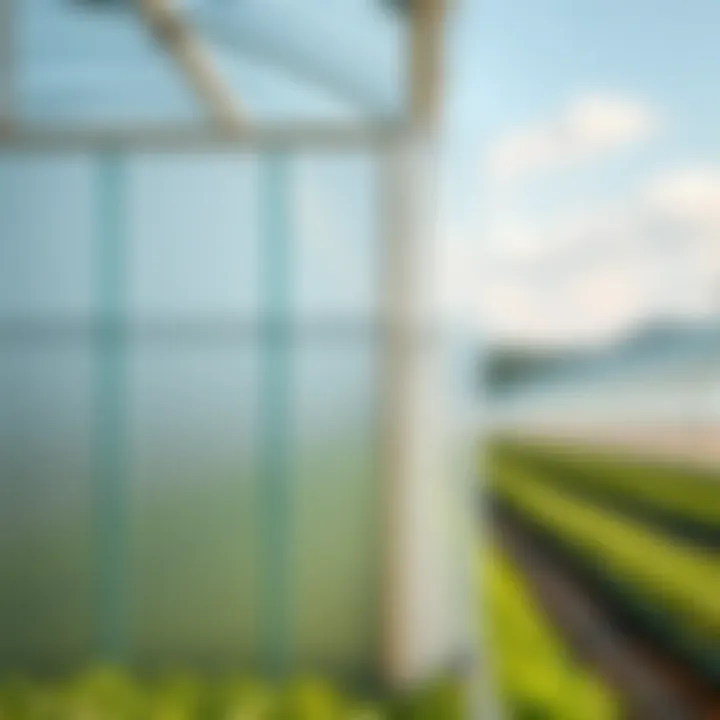
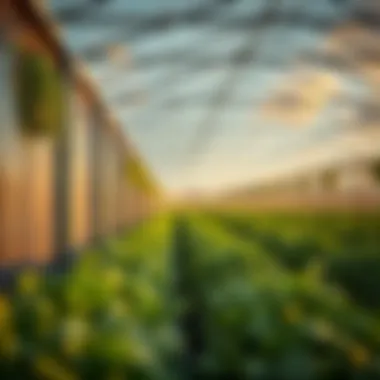
In the world of agriculture, greenhouses and conservatories have become iconic for their ability to extend growing seasons and maximize crop yields. Using 4 x 8 polycarbonate panels in these structures offers significant advantages over traditional glass. For instance, polycarbonate is lightweight, making transport and installation far simpler. Moreover, these panels can block harmful UV rays while allowing natural light to permeate; this is crucial for photosynthesis and plant health.
Additionally, the insulation properties of polycarbonate panels help in maintaining a consistent temperature, reducing energy costs during colder months. Its resistance to impact means that even in hail-prone areas, producers can rest easy knowing their investment is protected. When it comes to maintenance, polycarbonate requires minimal upkeep, freeing growers from frequent repairs and allowing them to focus on their harvest.
"The right greenhouse can be a farmer's best friend, especially when it's built with materials like polycarbonate that merge functionality and efficiency."
Gardening and Landscaping
Gardening enthusiasts often look for materials that can enhance their outdoor spaces without requiring excessive effort. Polycarbonate panels fit the bill beautifully. Beyond merely acting as a protective barrier, these panels can be used in raised beds, decorative screens, and even trellises. For example, when considering a raised bed design, the use of polycarbonate allows for larger and more robust structures without adding excessive weight.
This versatility makes them ideal for various garden designs, whether contemporary or cottage-style. Moreover, their lightweight nature means they can be repositioned without breaking a sweat. Whether it's for segmenting different areas of a garden or creating a sheltered nook for plants sensitive to harsh weather, the flexibility these panels provide is simply unmatched.
Animal Shelters and Aviaries
When it comes to animal shelters and aviaries, creating a safe and comfortable environment is a priority. Polycarbonate panels allow for excellent visibility and light, essential for both plants and animals. The panels' transparency helps in monitoring animal health and behavior without invasive actions, contributing to a stress-free environment.
In aviaries specifically, polycarbonate’s resistance to deterioration makes it ideal for long-term enclosures. Birds benefit greatly from natural light, yet they require protection from harsh weather and predators. With polycarbonate, both needs are satisfied. Furthermore, cleaning is a breeze; the smooth surface resists dirt and grime, ensuring that the aviary remains hygienic.
As the agriculture realm continues to expand its horizons, the application of 4 x 8 polycarbonate panels stands out as a practical solution with numerous benefits, tailored perfectly for the modern farmer and the avid gardener alike.
Benefits of Using Polycarbonate Panels
In recent years, polycarbonate panels have emerged as a game changer in agriculture, offering numerous advantages that resonate strongly with farmers and horticulturalists. Understanding the benefits of these panels is crucial, as they not only enhance productivity but also contribute to cost savings and sustainability. Let’s delve into specific benefits, showcasing how these panels stand out in practical applications.
Cost-Effectiveness in the Long Run
One of the primary concerns for anyone in the agricultural sector is the balance between initial investment and long-term benefits. Polycarbonate panels generally come with a moderate price tag compared to traditional glass structures, but they shine through their longevity and low maintenance costs. Investing in polycarbonate upfront may seem hefty, but when you evaluate the lifespan and the reduced expenditure on repairs and replacements, the long-term savings become evident.
- Low Maintenance Needs: Unlike glass, which can shatter or become cloudy over time, polycarbonate panels often maintain their clarity and structural soundness for many years. This means fewer repairs and less frequent replacements.
- Energy Savings: With high insulation properties, these panels help regulate internal temperatures, reducing the need for heating or cooling systems. This translates to lower energy bills over time.
- Resale Value: Should you decide to sell your property, having polycarbonate structures can be an attractive feature for potential buyers, allowing you to recoup part of your investment.

Environmental Resistance
Polycarbonate panels have become a popular choice due to their exceptional environmental resistance, withstanding varied climatic conditions that can otherwise be detrimental to numerous structures. They naturally excel in several aspects:
- UV Protection: The panels are often treated to block out harmful UV rays while allowing beneficial light to permeate. This duality is crucial for plant growth, especially in greenhouse applications.
- Weather Durability: Unlike materials that may warp, fade, or crack in extreme weather, polycarbonate panels retain their integrity. Whether dealing with heavy rainfall, hail, or direct sunlight, these panels stand firm.
- Chemical Resistance: They resist various chemicals, making them suitable for agricultural settings or environments where exposure to fertilizers and pesticides occurs. This ensures longevity even in high-stakes agricultural applications.
"Investing in polycarbonate panels not only protects your crops but also protects your investment against the sledgehammer of time and elements."
Ease of Installation
When it comes to installation, time and efficiency are key aspects that farmers consider. Polycarbonate panels are designed for straightforward installation, allowing for quicker project completion and the flexibility to adjust based on specific needs.
- Lightweight Design: Weighing considerably less than glass, these panels are easier to handle and transport, reducing labor costs and minimizing the need for heavy machinery during setup.
- Versatile Application: They can be cut to size, making them adaptable for various projects, from garden greenhouses to larger agricultural installations, catering to specific requirements.
- Compatible with Multiple Structures: These panels can be fitted into existing frames or new constructions effortlessly, making it convenient for those looking to upgrade without a complete overhaul.
In summary, the benefits of utilizing polycarbonate panels in agricultural settings cannot be overstated. Their cost-effectiveness, resilience to environmental factors, and ease of installation make them a smart choice for modern agricultural practices. Engaging with polycarbonate panels is not just about enhancing structures; it’s about investing smartly for a more sustainable and productive farming future.
Installation Techniques for x Panels
When diving into the world of polycarbonate panels, having a solid grasp on installation techniques is vital. These panels, while versatile, require careful handling to maximize their benefits. Whether you are erecting a greenhouse using 4 x 8 panels or creating a protective structure for your livestock, understanding the nuances of installation can be the difference between durability and disaster. In this section, we will explore the essential preparations, effective mounting methods, and sealing considerations that guarantee optimal performance and longevity of your polycarbonate structures.
Preparation for Panel Installation
Preparation is often the unsung hero of a successful installation. Before you even think about picking up a tool, consider the following:
- Site Assessment: Examine the location you’ve chosen for your installation meticulously. Ensure that the ground is level and free from debris while considering sunlight angles that might affect plant growth if this installation is agricultural.
- Material Gathering: Assemble all your tools and materials beforehand. You’ll likely need a measuring tape, level, screws or bolts suitable for polycarbonate, and protective safety gear. Knowing what you need in advance saves you from running back and forth and increases efficiency.
- Panel Orientation: Familiarize yourself with the panel specifications, especially any UV protective layers. Installing panels upside down can negate their benefits, so be sure to read the manufacturing notes carefully.
Proper preparation not only sets the stage for a smoother installation but also reduces potential complications further down the line.
Mounting Techniques
Once everything is primed and ready to go, mounting becomes the next critical step. Here are a few recommended methods that are favored in the industry:
- Frame Construction: It’s important to create a sturdy framework using aluminum or wooden supports. The framework should be securely anchored to withstand the weight of the panels and potential environmental stresses like wind.
- Screw Down Application: Using screws with rubberized washers is a popular method for anchoring the panels. This allows for some thermal expansion while providing a secure fit. Ensure that screws are placed in the designated flat areas of the panels to avoid cracking.
- Hinge Installation: For applications such as DIY greenhouses, incorporating a hinge system can facilitate easy access. Make sure to place hinges at the peak where stress is minimal, ensuring that the panels can open without strain.
Selecting the appropriate mounting technique directly impacts the integrity and functionality of the installation.
Sealing and Maintenance Considerations
Sealing is a crucial aspect not to be overlooked as it greatly influences the longevity of your polycarbonate installation. Here’s what to keep in mind:
- Edge Sealing: Use a compatible sealant on the edges of your panels to protect against moisture ingress. This helps prevent dirt and debris from settling in and can prolong the life of the materials.
- Maintenance Schedule: Regular inspections are key. Make it a habit to check seals and panel integrity. Should you find any cracks or wear, repair them promptly to avoid larger problems later on.
- Cleaning Techniques: Use a soft cloth and a gentle soap solution for cleaning. Avoid abrasive materials that can scratch the surface, and never use potent solvents as they can damage the panels. Cleanliness is not only for aesthetics but also prevents the buildup of dirt that can hinder sunlight access.
"The true art of maintenance lies not in frequent repairs, but in understanding and addressing the small issues before they grow into larger, costlier problems."
Integrating these sealing techniques and adopting a proactive maintenance approach ensures that your polycarbonate panels continue to perform effectively for years to come, providing you with the benefits you initially sought.
Maintenance of Polycarbonate Structures
The durability and effectiveness of polycarbonate panels, particularly those sized at 4 x 8 feet, hinge heavily on proper maintenance. Ensuring that these structures remain in peak condition not only extends their lifespan but also optimizes their performance across various applications, especially in agriculture. So, let’s dive into why maintenance should be a priority for anyone working with these materials and what it entails.
Polycarbonate panels are typically resistant to weather changes, UV rays, and impacts. However, over time, dirt, grime, and potential damage can accumulate, compromising their structural integrity and light transmission efficiency. Therefore, regular maintenance is not just about keeping things looking spiffy; it’s about prolonging the functional benefits of polycarbonate. This ultimately serves to protect your investment.
Cleaning and Care Practices
When it comes to keeping 4 x 8 polycarbonate panels squeaky clean, the right approach is essential. Regular cleaning enhances light penetration and helps maintain the panels’ clarity. Here are some effective cleaning practices:
- Use Mild Soap and Water: A mixture of mild soap and warm water works wonders. Avoid harsh chemicals as they may scratch or degrade the surface of the panels.
- Soft Cloth or Sponge: Always use a soft cloth or sponge for cleaning. Abrasives can cause scratches, which could lead to further degradation over time.
- Avoid Pressure Washers: While it might be tempting to speed up the process with a pressure washer, these can cause unintended damage, creating micro-cracks.
- Rinse Thoroughly: After cleaning, ensure proper rinsing to remove any soapy residue to avoid streaks or a hazy appearance.
- Frequency: Aim to clean your panels at least twice a year. However, if you’re in a particularly grimy area or if your panels are exposed to significant environmental stress, consider more frequent cleanings.
Regular care leads to better light transmission and longevity of your polycarbonate panels.
Identifying and Addressing Damage
Even with proper cleaning, wear and tear can happen. It’s crucial that you know how to spot damage early. Look for the following issues:


- Scratches: Fine scratches may not seem significant, but they can accumulate, affecting light transmission.
- Cracks or Chips: These are serious and can worsen if not addressed promptly. Inspect your panels regularly for any signs of cracking around edges or mounting holes.
- Discoloration: Fading or yellowing can indicate UV damage. This is often irreversible, but immediate address of the underlying cause can prevent further issues.
Addressing Damage:
- For minor scratches, consider using a plastic polish that’s appropriate for polycarbonate. This can minimize their visibility.
- For larger cracks or chips, you might need to replace the panel. While this may seem drastic, it’s usually more cost-effective in the long run than waiting for issues to compound.
- Monitor for structural weaknesses. If panels begin to bow or lose their form, it might be time to reassess how they’re mounted or supported.
In summary, regular maintenance is essential for maximizing the potential of your 4 x 8 polycarbonate panels. By adhering to a cleaning schedule and being vigilant about identifying damage, you ensure these versatile materials continue to serve you well in your agricultural endeavors.
Comparative Analysis with Other Materials
When considering construction materials for agricultural applications, particularly in greenhouse and shed designs, it may be easy to get lost in the voluminous options available. Polycarbonate panels, especially those measuring 4 x 8 feet, bring a host of advantages, yet understanding how they measure up against other materials like glass and acrylic is critical. This comparative analysis helps determine the best fit for specific needs, ensuring optimal outcomes in durability, light transmission, and thermal insulation.
Polycarbonate vs Glass
Choosing between polycarbonate and glass is akin to weighing the pros and cons of a dependable old truck against a sporty new coupe. Glass has long been the traditional choice for greenhouses. Its clarity and aesthetic appeal are unmatched, often offering a pristine view of plants and blooms. However, several drawbacks come with glass that can leave farmers scratching their heads.
- Weight: Glass is significantly heavier than polycarbonate. Transporting and installing large glass panels requires more resources, which can be costly and labor-intensive.
- Fragility: Even a small impact can shatter glass, rendering it unsafe and requiring replacement. In contrast, polycarbonate can withstand impacts that would leave glass in shards, making it a more robust choice for unpredictable environmental conditions.
- Insulation: While single glass panels may offer some light transmission, they do not provide effective insulation. Polycarbonate, on the other hand, can have multi-wall configurations that substantially boost insulation efficiency, keeping greenhouses warmer during chilly months.
In sum, while glass might charm visually, polycarbonate earns the heart for functionality, safety, and energy efficiency.
Polycarbonate vs Acrylic
Acrylic, often seen in more decorative applications, might seem like a viable descriptor for light-weight panels that can rival the transparency of glass. Yet when one dives deeper, polycarbonate surfaces as a champion in durability and performance.
- Impact Resistance: Acrylic can crack or scratch easily, much like a fruit's skin during a heavy handoff. Polycarbonate stands tall against impacts, resistant to even the most challenging environmental factors, such as hail or thrown debris.
- UV Protection: Acrylic panels can degrade under UV exposure, which can cause haziness and decrease light transmission over time. Certain polycarbonate panels come with UV protection, ensuring long-lasting clarity and performance.
- Cost: Although acrylic might initially present as a cheaper alternative, when factoring in replacement costs due to damage or reduced efficiency, polycarbonate tends to be the wiser investment in the long run.
Ultimately, for those in agriculture seeking resilience and value, polycarbonate panels provide a superior alternative to both glass and acrylic, allowing farmers to focus on growing not only crops but also their business ambitions without the added worry of the elements.
Innovative Uses of x Polycarbonate Panels
The versatility of 4 x 8 polycarbonate panels extends far beyond traditional applications. In the context of innovative uses, these materials not only support agricultural advancements but also enable creative projects that fuse functionality with aesthetic appeal. Understanding their unique characteristics helps in appreciating how they can be integrated into sustainable practices and personalized projects.
Sustainable Farming Practices
Sustainable farming has taken the spotlight in recent years, driven by both environmental concerns and the need for efficient food production. 4 x 8 polycarbonate panels serve as a pivotal tool in this evolution. These panels offer several advantages that contribute to sustainable practices:
- Thermal Regulation: Due to their excellent insulation capacity, these panels maintain a stable internal environment, reducing the need for external heating or cooling. This characteristic is especially beneficial during extreme weather conditions.
- Light Diffusion: Unlike traditional materials, which may trap heat or create hot spots, polycarbonate panels diffuse sunlight evenly. This leads to enhanced plant growth, reducing the need for supplementary lighting in greenhouse applications.
- Water Conservation: When used in structures like rain catchment systems or covered growing areas, these panels help in maximizing water conservation by shielding crops from direct rainfall while allowing necessary moisture to penetrate.
Moreover, polycarbonate panels are lightweight, making them easier to install and manipulate on-site, even for large-scale farming operations. When farmers embrace these innovative features, they're not just improving crop yield; they're embracing eco-friendly methods of cultivation.
DIY Projects and Applications
The appeal of 4 x 8 polycarbonate panels isn't just confined to the fields. For hobbyists and creative souls, the applications are nearly limitless. Here are a few noteworthy DIY projects where these panels shine:
- Personal Greenhouses: Building a compact greenhouse with polycarbonate panels can often be a labor of love. The panels’ dual walls provide insulation and are much easier to handle than glass, making it an ideal material for backyard gardening.
- Garden Art and Structures: Employing polycarbonate panels in artistic installations can introduce unique designs to outdoor spaces. Think of sculptures or playful patterns that benefit from light and color diffusion—these panels can be both practical and beautiful.
- Patio Covers: Want to enjoy your outdoor space year-round? Using 4 x 8 panels to create a patio cover can offer shelter from sun and rain without blocking out natural light. The ease of assembly means you can often complete the project in a weekend, adding instant value to your home.
- Small Animal Shelters: Whether you are housing rabbits or chickens, lightweight panels can form secure environments that also offer ample light. Keeping these animals safe and comfortable while maximizing their well-being is just as important as aesthetics.
"Polycarbonate panels not only withstand the elements but also inspire creativity among DIY enthusiasts, proving their value goes far beyond typical agricultural use."
Future Trends in Polycarbonate Usage
The realm of polycarbonate panels, particularly those sized at 4 x 8 feet, continues to evolve alongside the advancing technologies and shifting demands of the agricultural and horticultural sectors. Understanding future trends in the usage of polycarbonate materials is crucial for farmers and enthusiasts alike, as these developments can drive sustainability, efficiency, and innovation in agricultural practices.
Advancements in Material Technology
Material technology is on a steep trajectory of innovation, and polycarbonate panels are no exception. The next generation of polycarbonate materials is poised to combine increased durability with enhanced environmental resilience. New coatings being developed help reduce UV degradation, which has always been a concern for outdoor applications. With anti-fog and self-cleaning properties becoming more common, these panels may soon require less maintenance and last even longer, reducing long-term costs for farmers.
In addition to that, advancements are adjusting the thermal insulation capabilities of polycarbonate panels, which can lead to energy-efficient structures. For instance, newer multilayered panels are in the pipeline, designed specifically for extreme weather conditions, allowing for better climate control within greenhouses or storage units.
"The future isn't what it used to be." - Yogi Berra
With the ongoing research into biopolymers as alternatives for traditional plastic, we might also see more eco-friendly options emerging. These new variants could further enhance the sustainability aspect, appealing to farmers who prioritize environmental impacts in their operational choices.
Broader Applications Beyond Agriculture
While 4 x 8 polycarbonate panels have mainly carved a niche in agricultural settings, their potential transcends into other sectors. For example, the architectural field is harnessing polycarbonate for use in commercial buildings, awnings, and even as sustainable facades. These panels provide excellent daylighting benefits, reducing the reliance on artificial lighting—something that appeals to both businesses and residents looking to lower energy bills and carbon footprints.
In the realm of industrial applications, polycarbonate is increasingly favored for safety barriers, impact-resistant glazing, and protective shields in various environments, from manufacturing facilities to laboratories. Their lightweight nature and durability make them suitable for building and construction, where every pound counts. Moreover, innovations such as transparency-enhanced polymers are being explored for solar energy applications, offering a dual function as both a building material and energy generator.
Lastly, in the DIY and hobbyist market, more recreational applications, such as crafting and model building, are emerging. Makers are utilizing these easy-to-work-with panels for everything from home decor to custom greenhouses, pushing the boundaries of what is possible in personal projects.
The outlook for 4 x 8 polycarbonate panels is full of promise. By keeping an eye on these upcoming trends, farmers and enthusiasts can better equip themselves to utilize polycarbonate materials effectively.
To learn more about innovative materials and their applications, visit sites like Wikipedia, Britannica, or Reddit.
Make your next move in agriculture or DIY more informed and sustainable with the right information!